Kent State University • Introduction to Visual Communication Design, Studio
Black & White Abstraction: Simplified Form Composition (Image-to-Form Study)
PROJECT OVERVIEW
This assignment introduced abstraction and value-based composition by translating a provided image into a dynamic arrangement of simplified black-and-white forms. Emphasis was placed on reducing visual information to essential shapes and contrasts to create a cohesive, readable composition.
This assignment introduced abstraction and value-based composition by translating a provided image into a dynamic arrangement of simplified black-and-white forms. Emphasis was placed on reducing visual information to essential shapes and contrasts to create a cohesive, readable composition.
METHOD / PROCESS
Students analyzed the source image to identify dominant shapes, edges, and value relationships, then iteratively explored multiple compositional options through thumbnail studies. Forms were simplified and refined to create clear figure/ground relationships, balanced visual weight, and intentional rhythm. The final solution was selected from a range of explorations, reinforcing the expectation of broad ideation before refinement.
Students analyzed the source image to identify dominant shapes, edges, and value relationships, then iteratively explored multiple compositional options through thumbnail studies. Forms were simplified and refined to create clear figure/ground relationships, balanced visual weight, and intentional rhythm. The final solution was selected from a range of explorations, reinforcing the expectation of broad ideation before refinement.
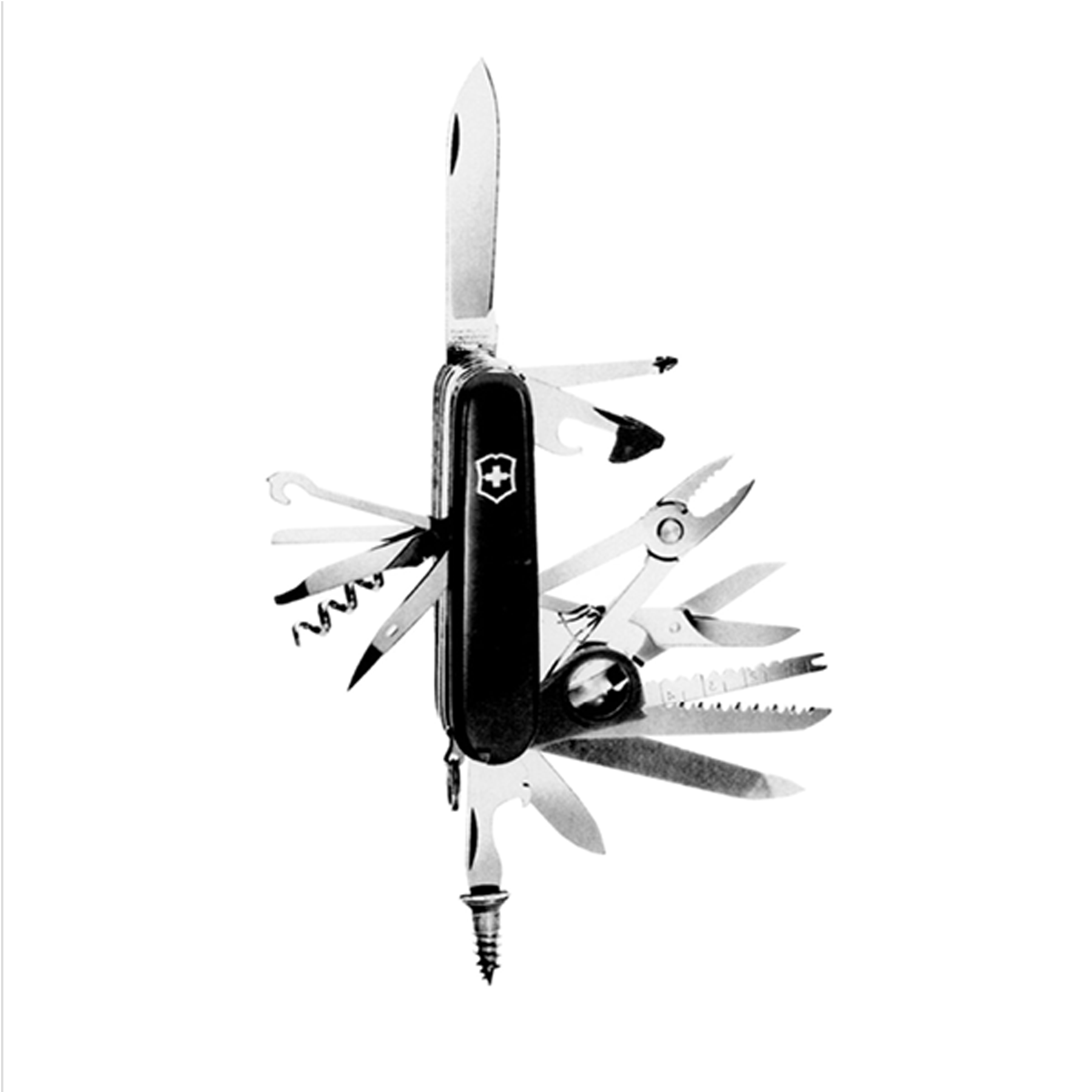
Source image: Provided reference image used as the starting point for abstraction and form reduction.
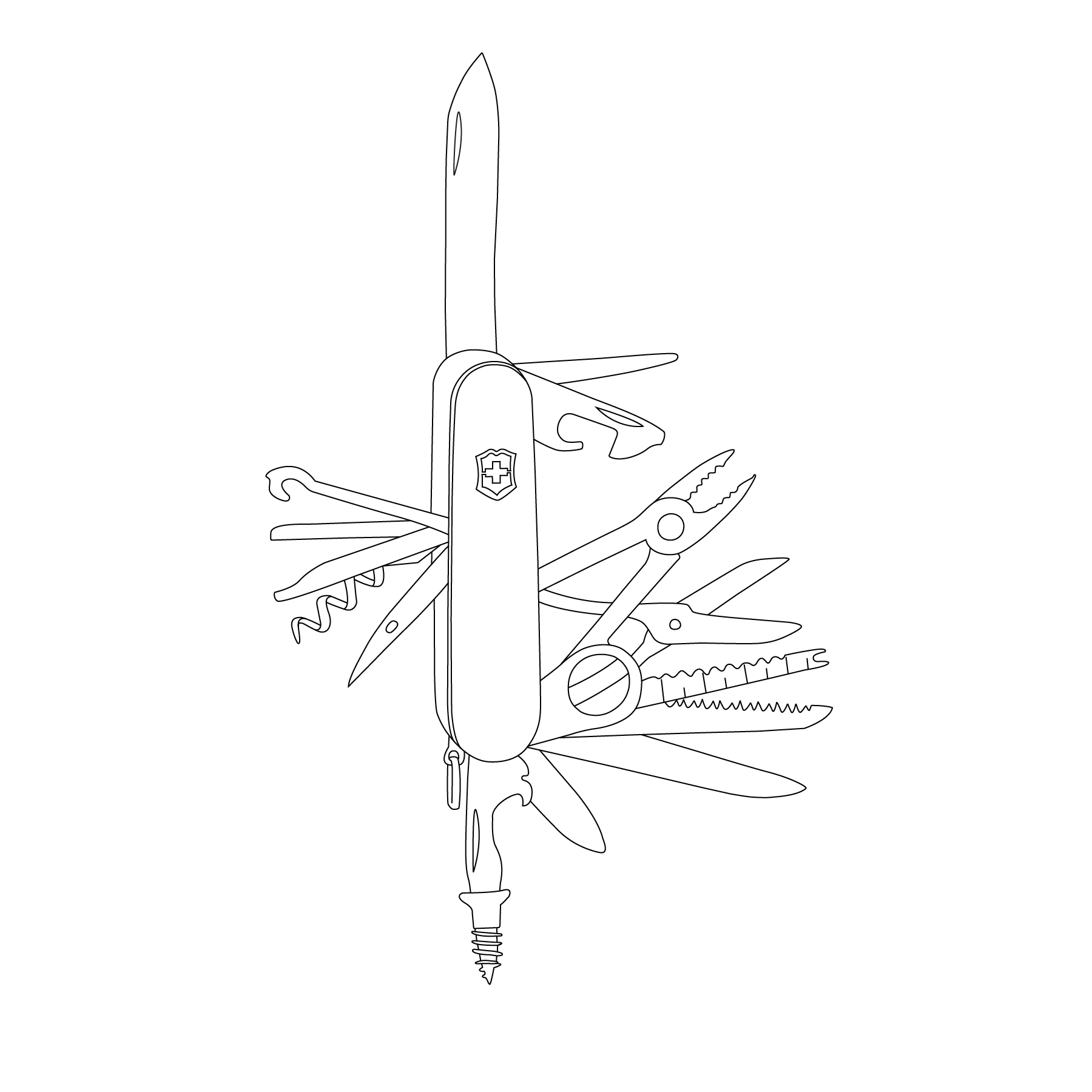
Contour study: Line-only tracing to identify dominant edges and establish the object’s essential silhouette.
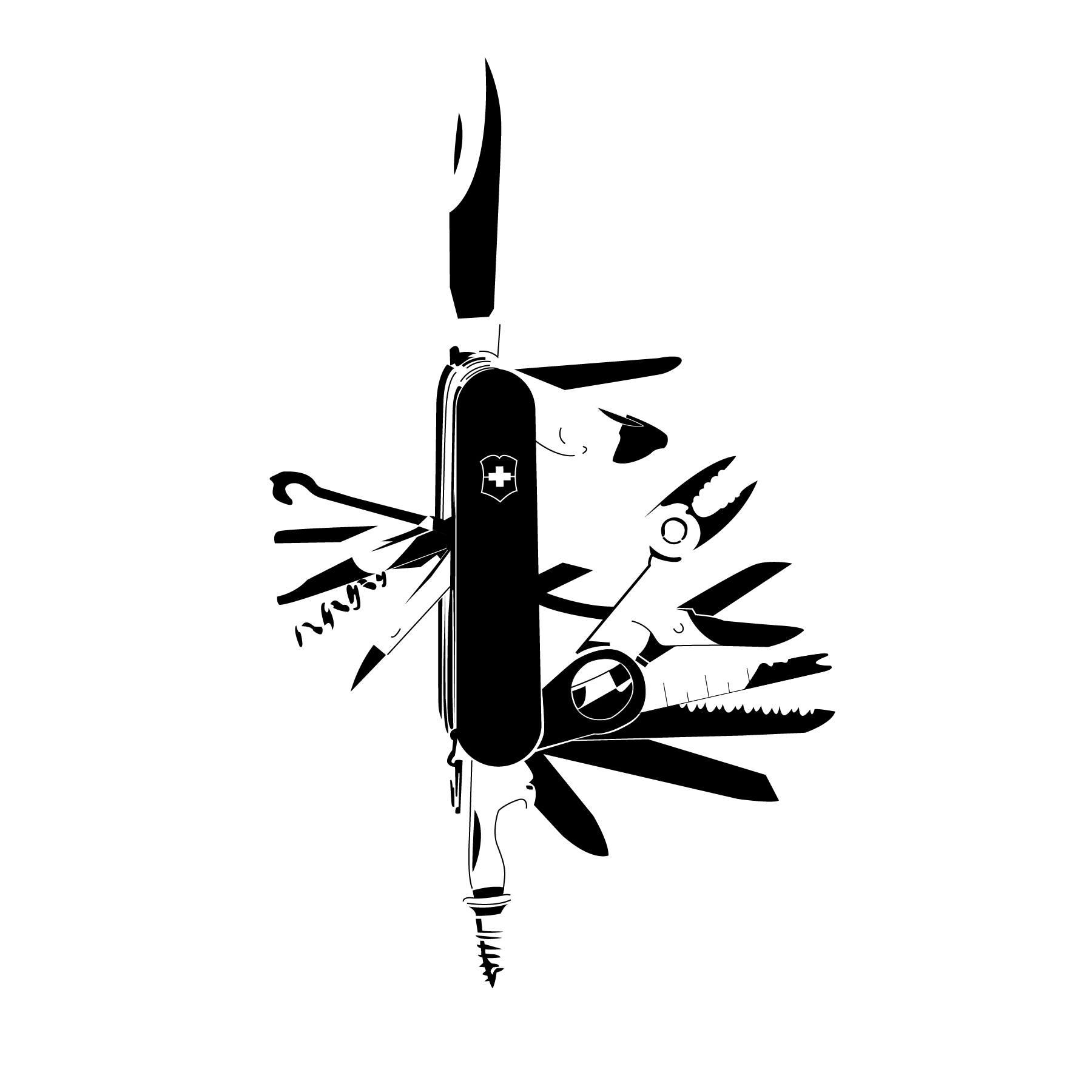
High-contrast reduction: Value simplification into bold black-and-white masses to test figure/ground and overall visual weight.
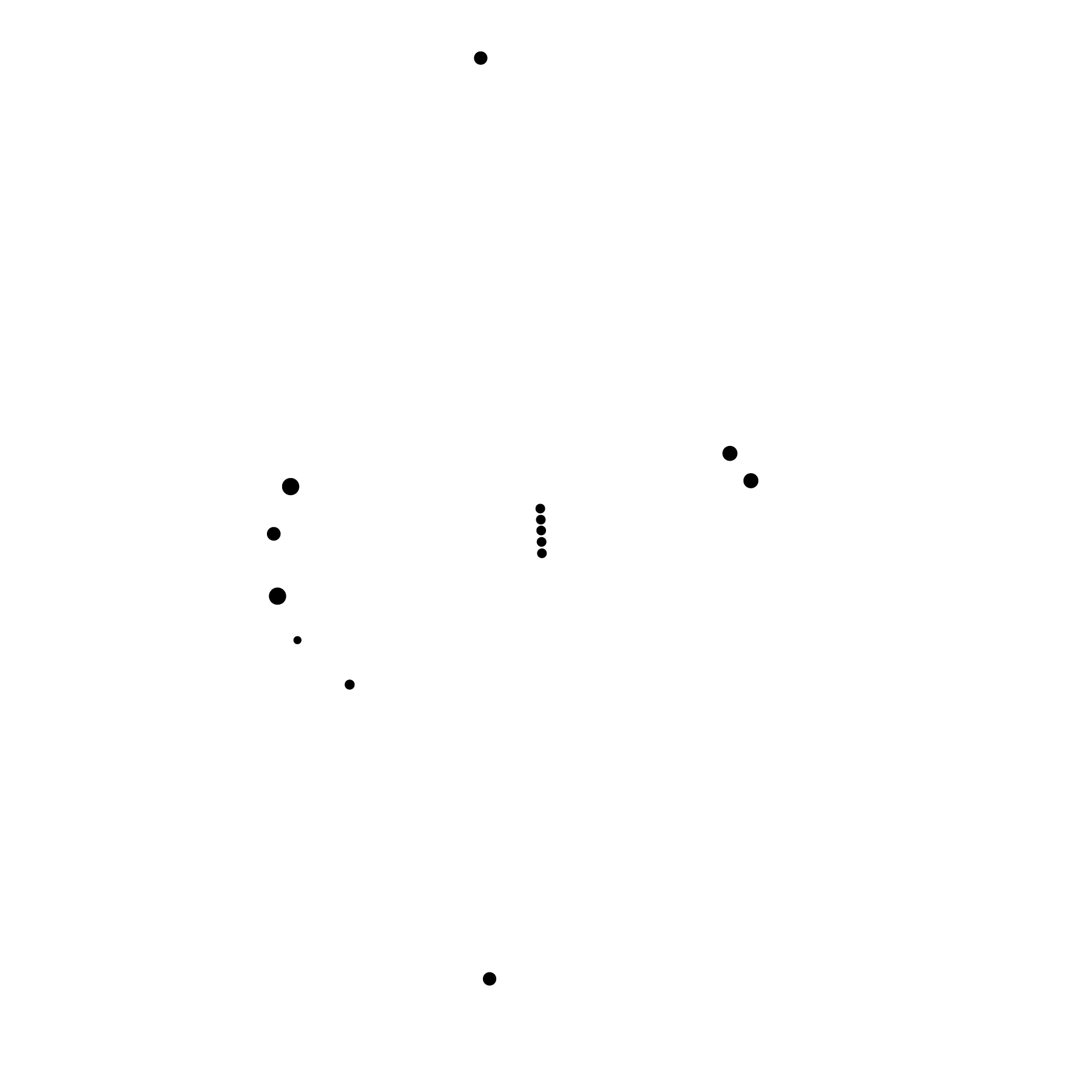
Point study (minimal): Key features mapped as points to explore proportion, placement, and negative space.
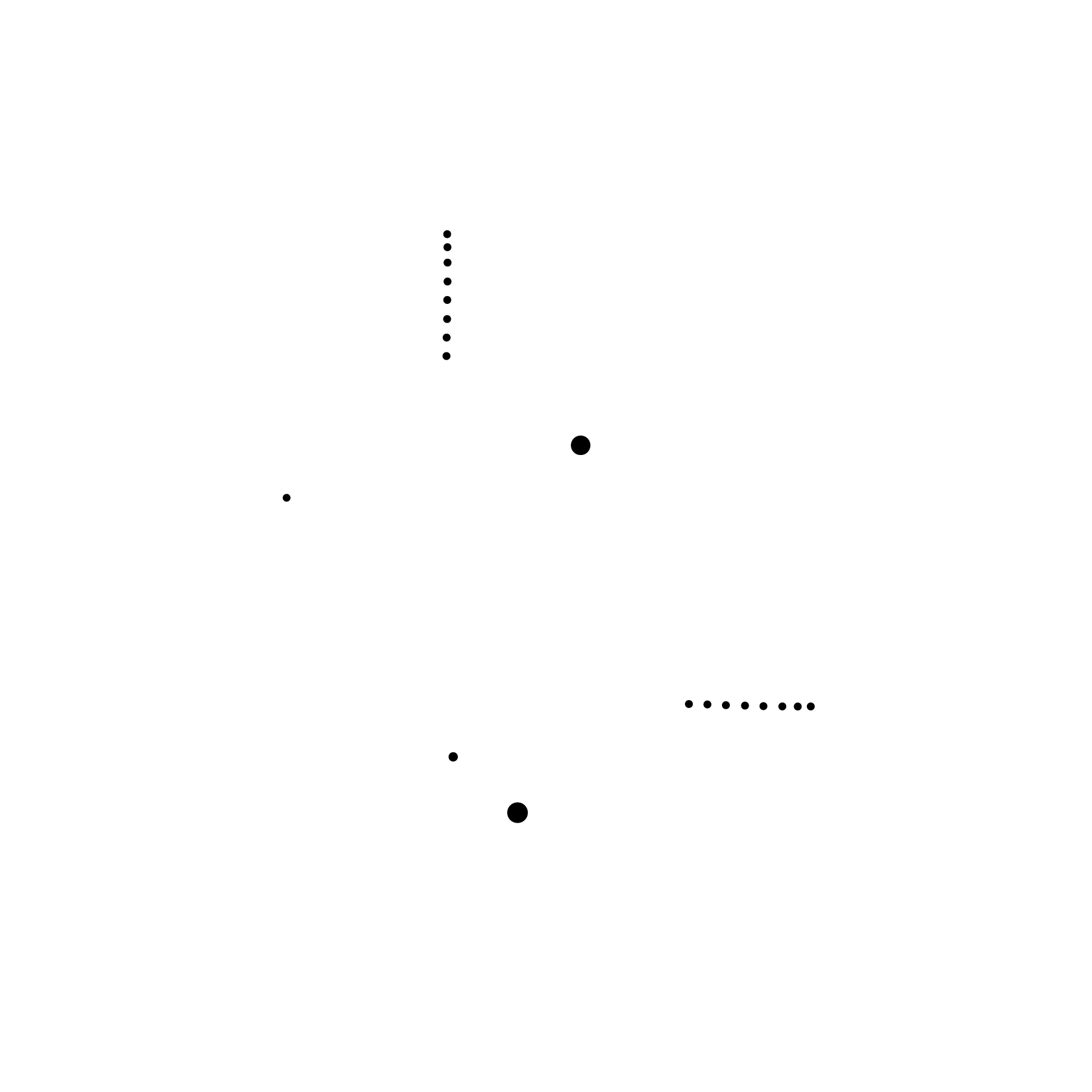
Point study (expanded): Increased point density and scale variation to build rhythm and suggest form through repetition.
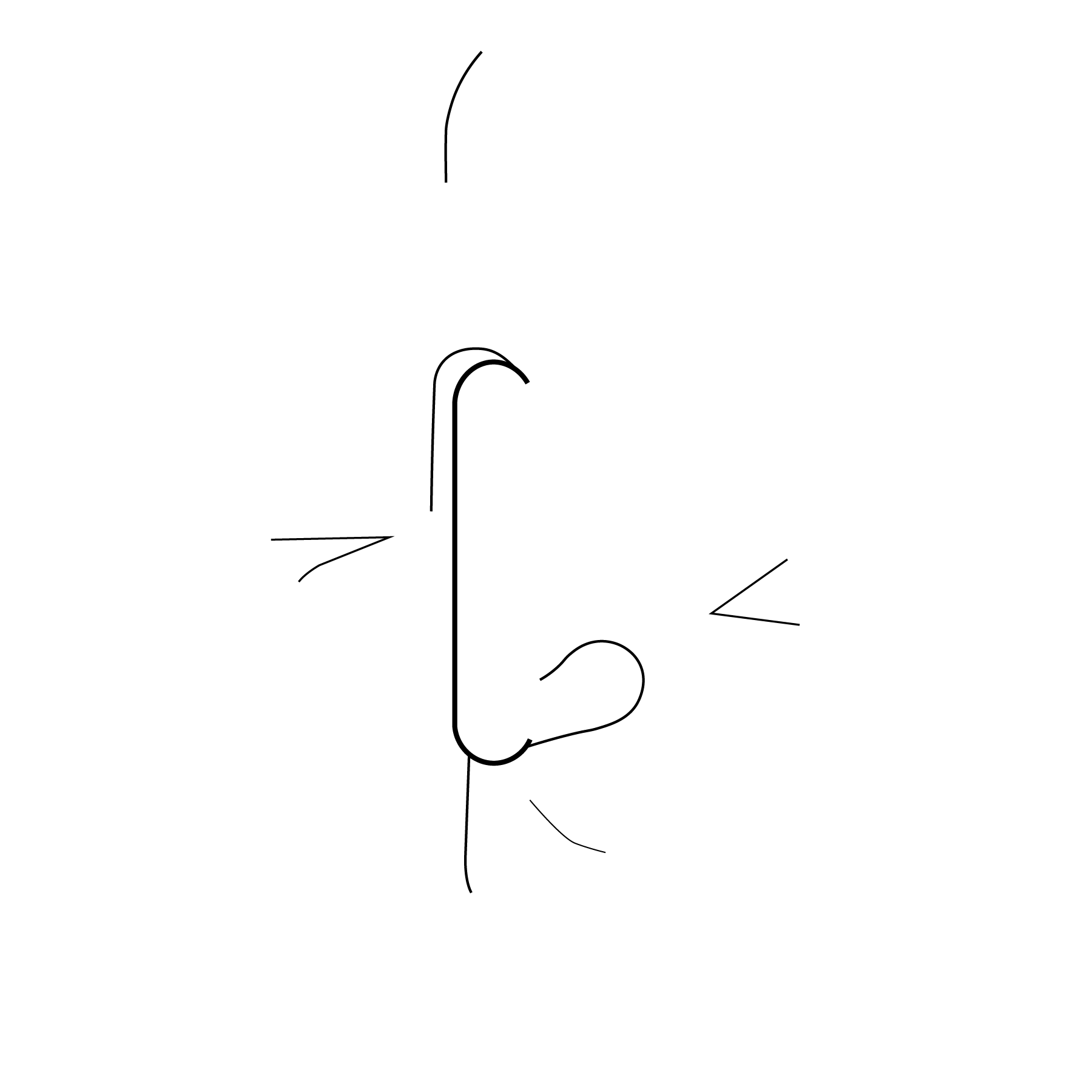
Line study (minimal): Sparse linear marks isolate primary directions and structural axes of the object.
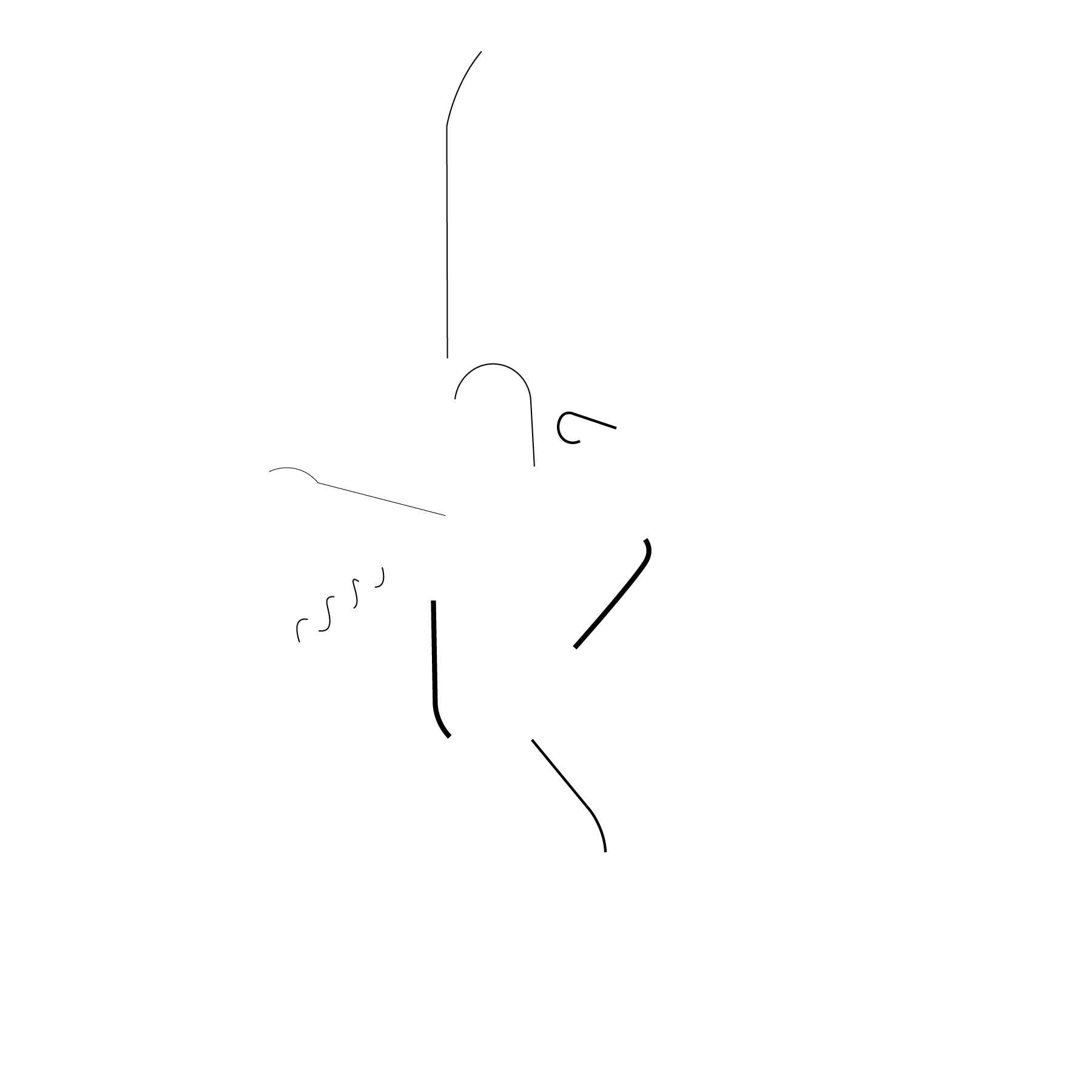
Line study (refined): Curvilinear lines and varied stroke weight begin describing volume and gesture while staying abstract.
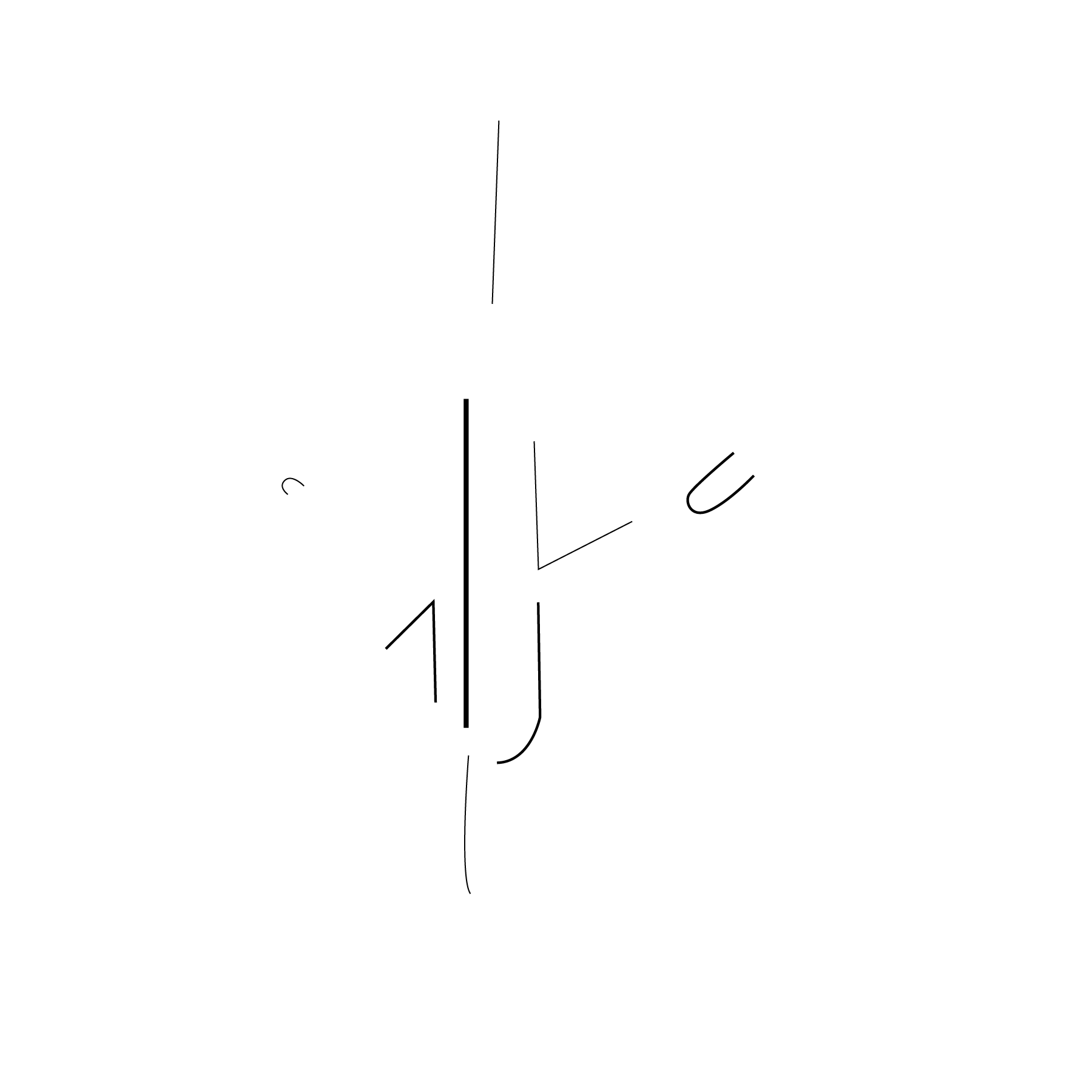
Line study (exploratory): More expressive line decisions introduce movement and tension through asymmetry and direction changes.
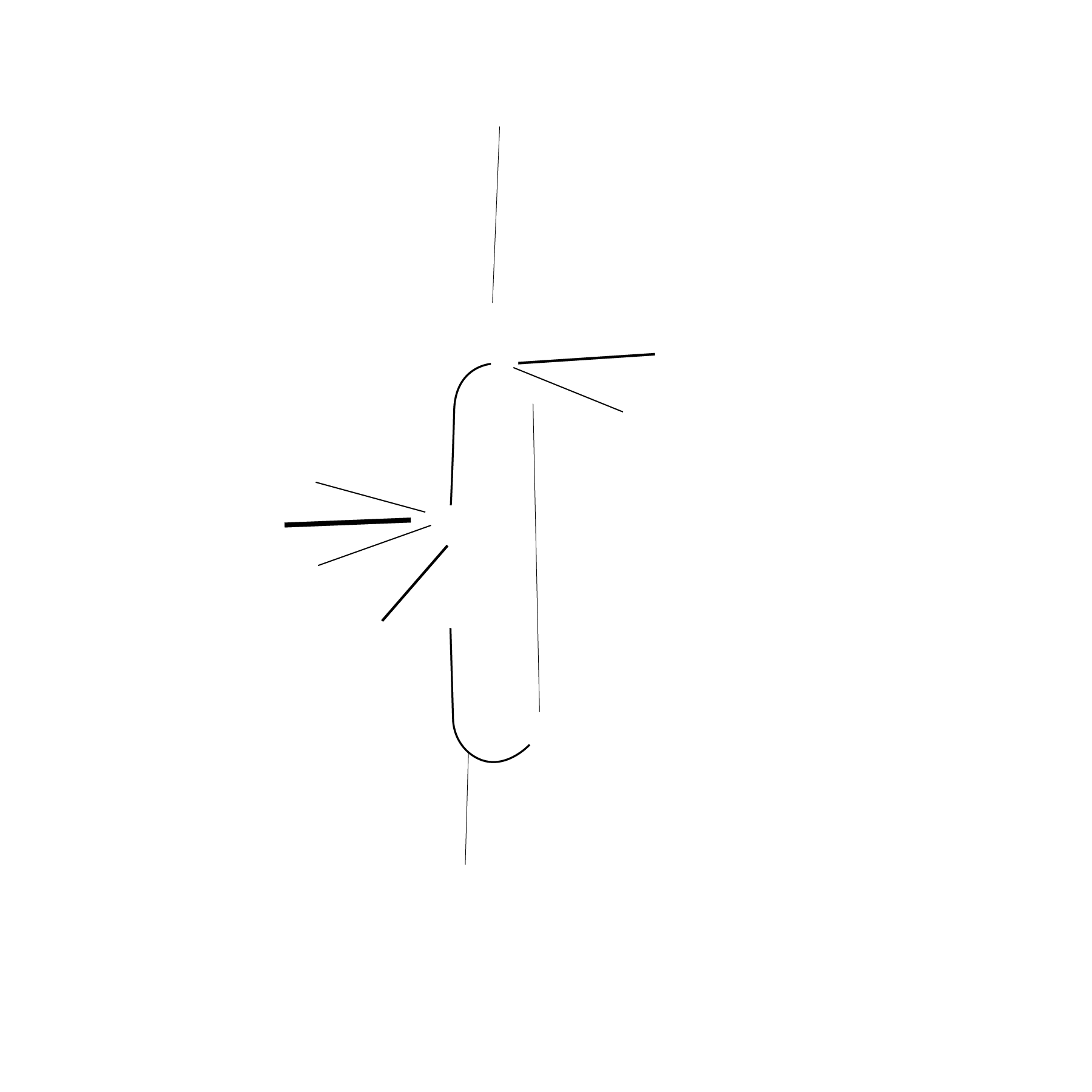
Line study (consolidated): Reduced line set clarifies hierarchy, keeping only the most communicative marks.
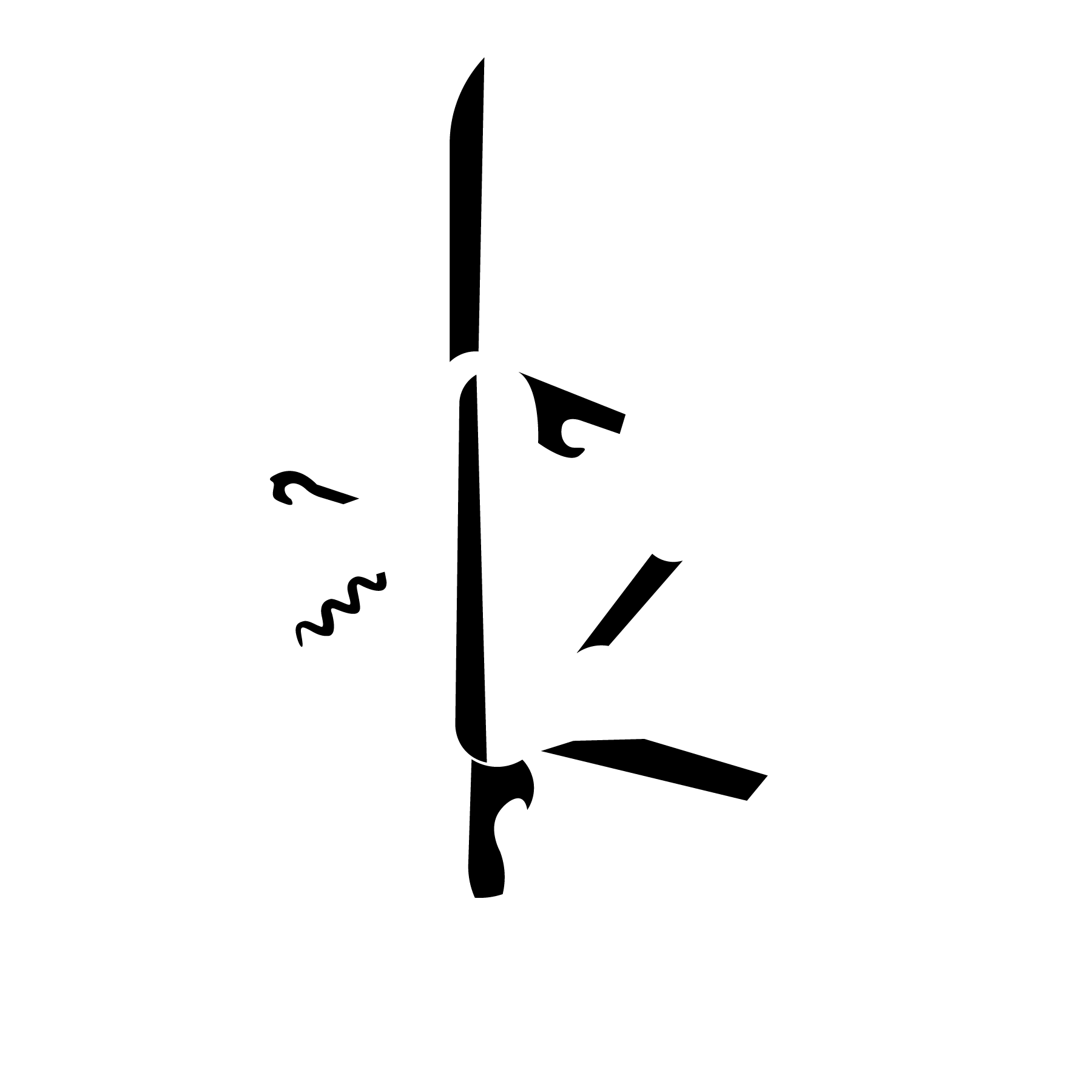
Plane study (minimal shapes): Simplified planes establish major form relationships using large, clean shapes and strong negative space.
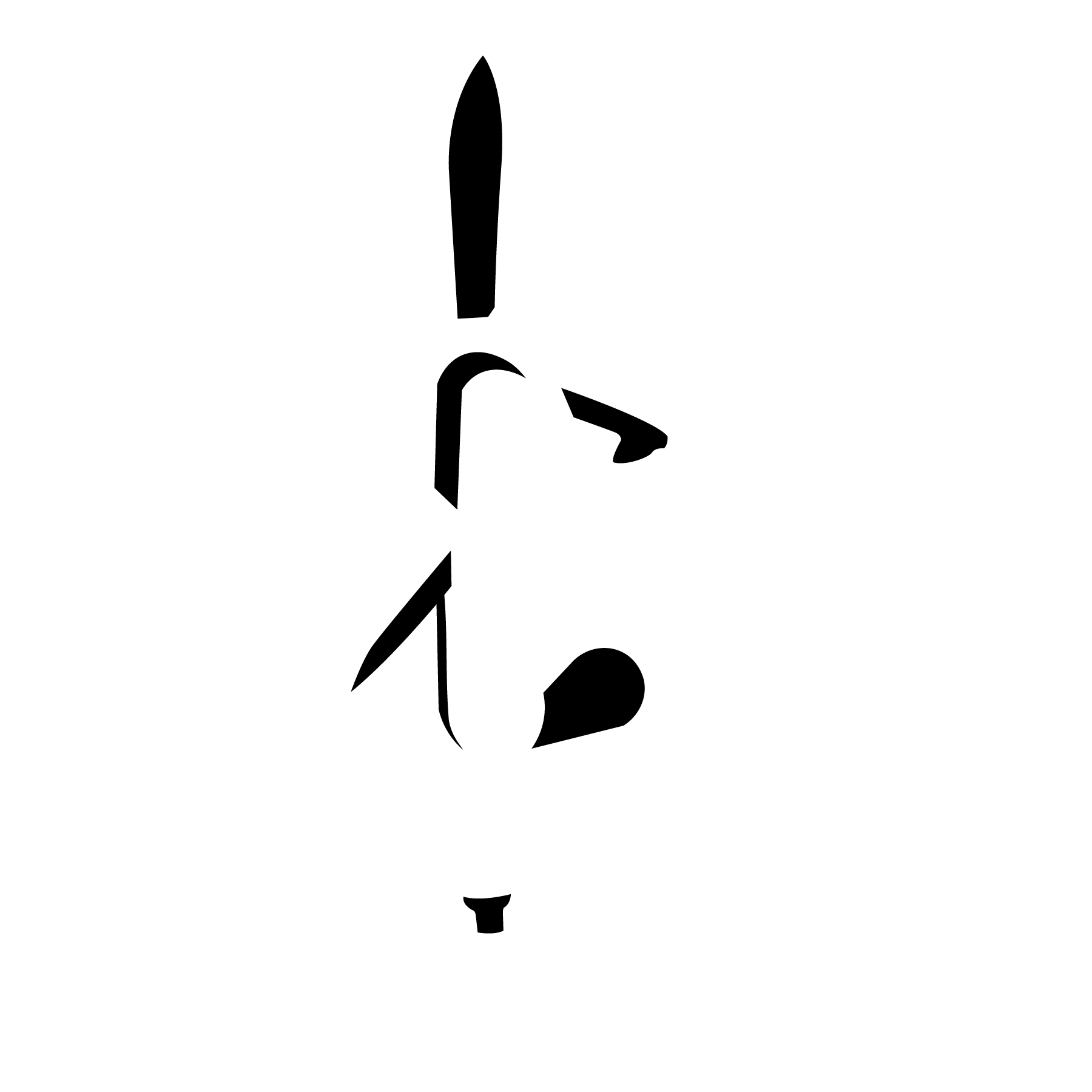
Plane study (developed): Additional planes refine figure/ground transitions and balance visual weight across the composition.
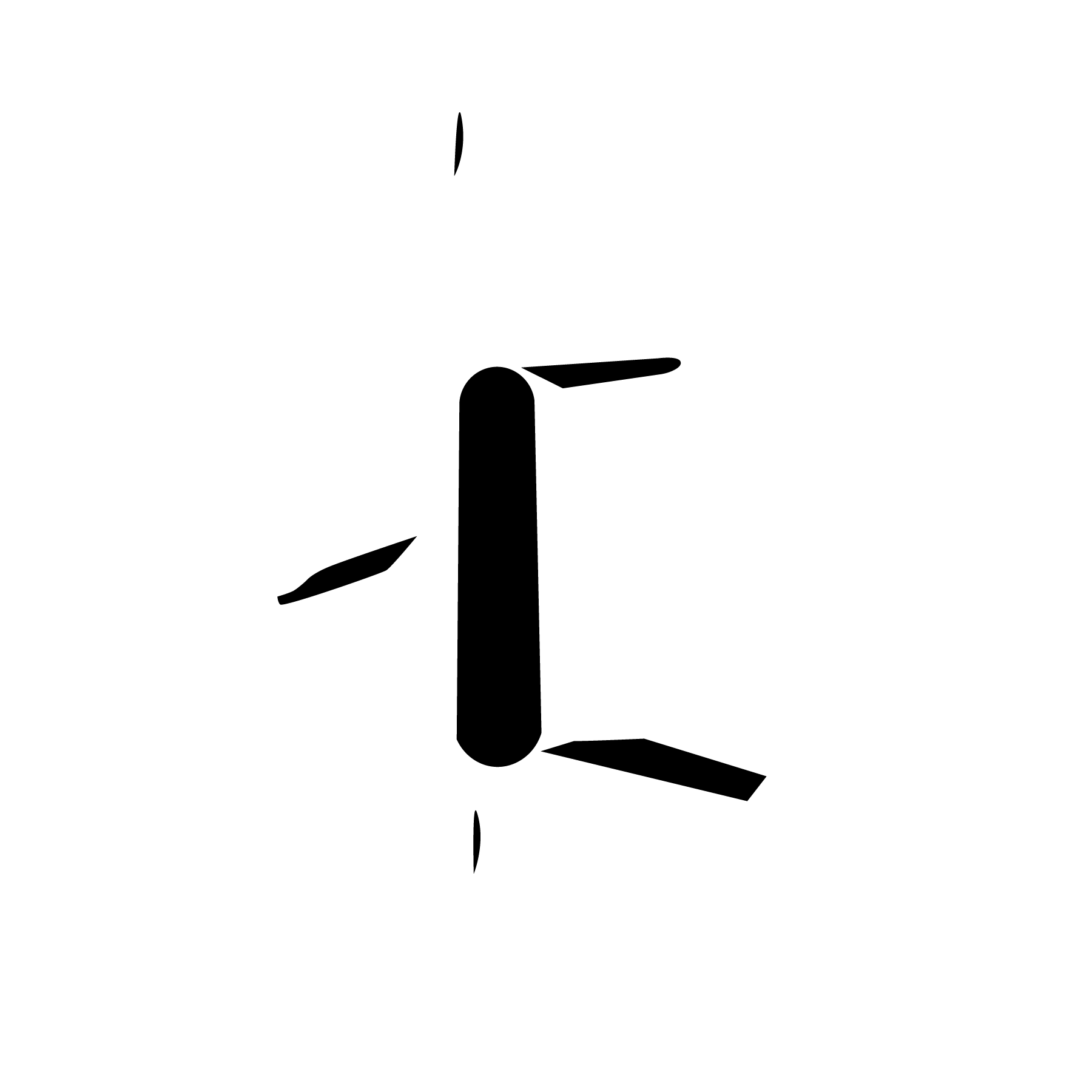
Plane study (final refinement): Plane hierarchy is tightened through shape economy, sharpening the read with fewer, stronger forms.
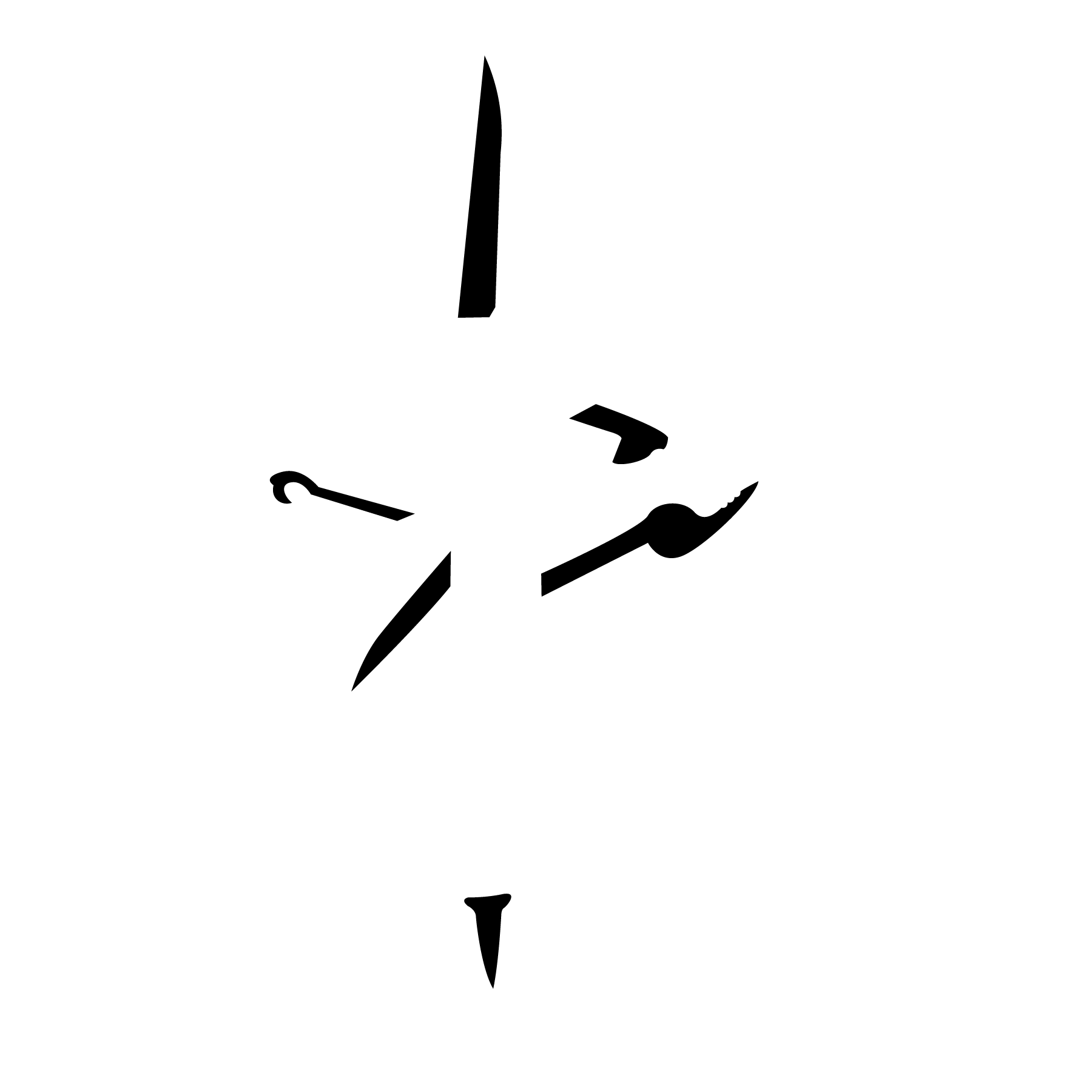
Plane study (alternate solution): Alternate plane configuration testing different emphasis points and compositional balance.
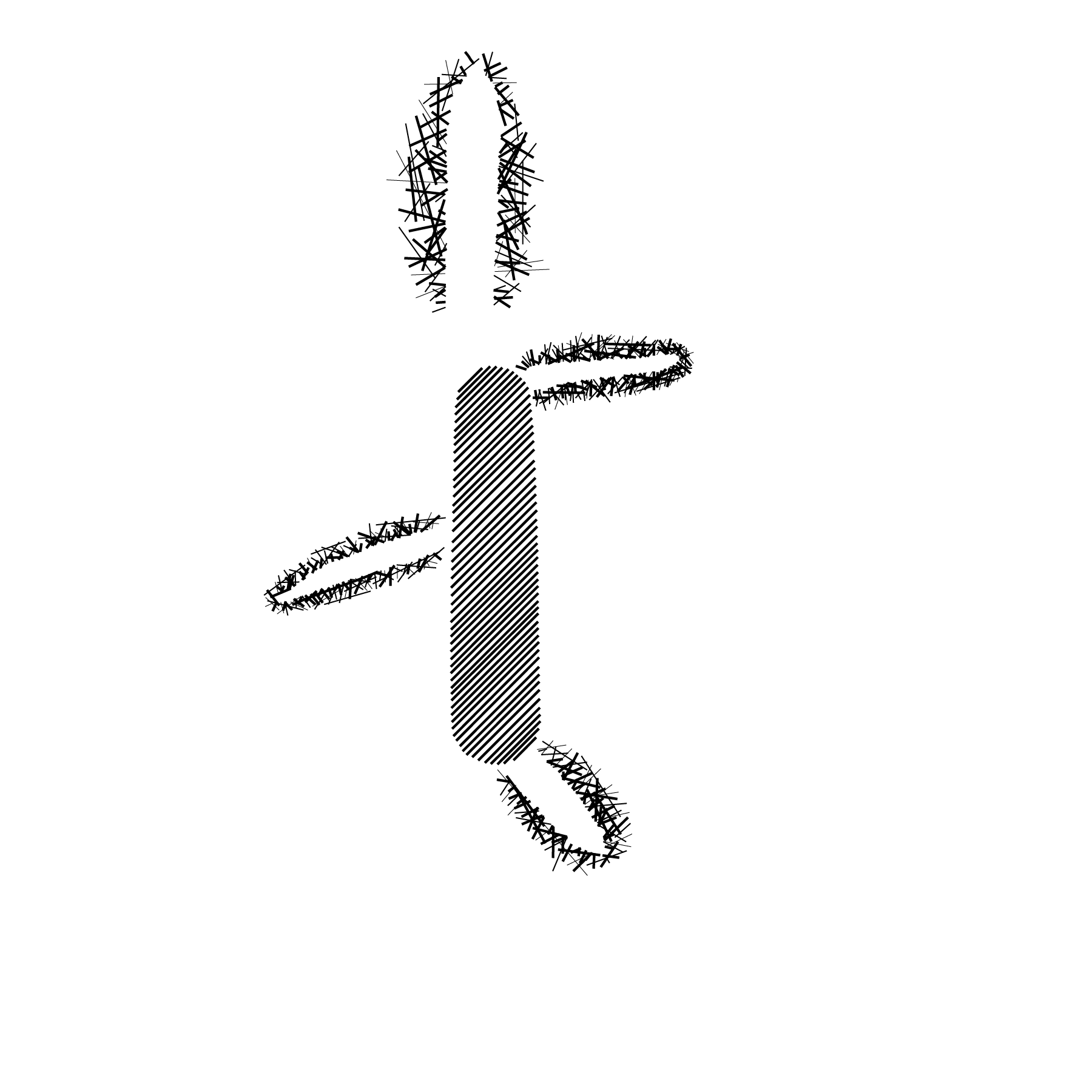
Plane-as-texture: Plane shapes are translated into texture to suggest material and depth without adding literal detail.
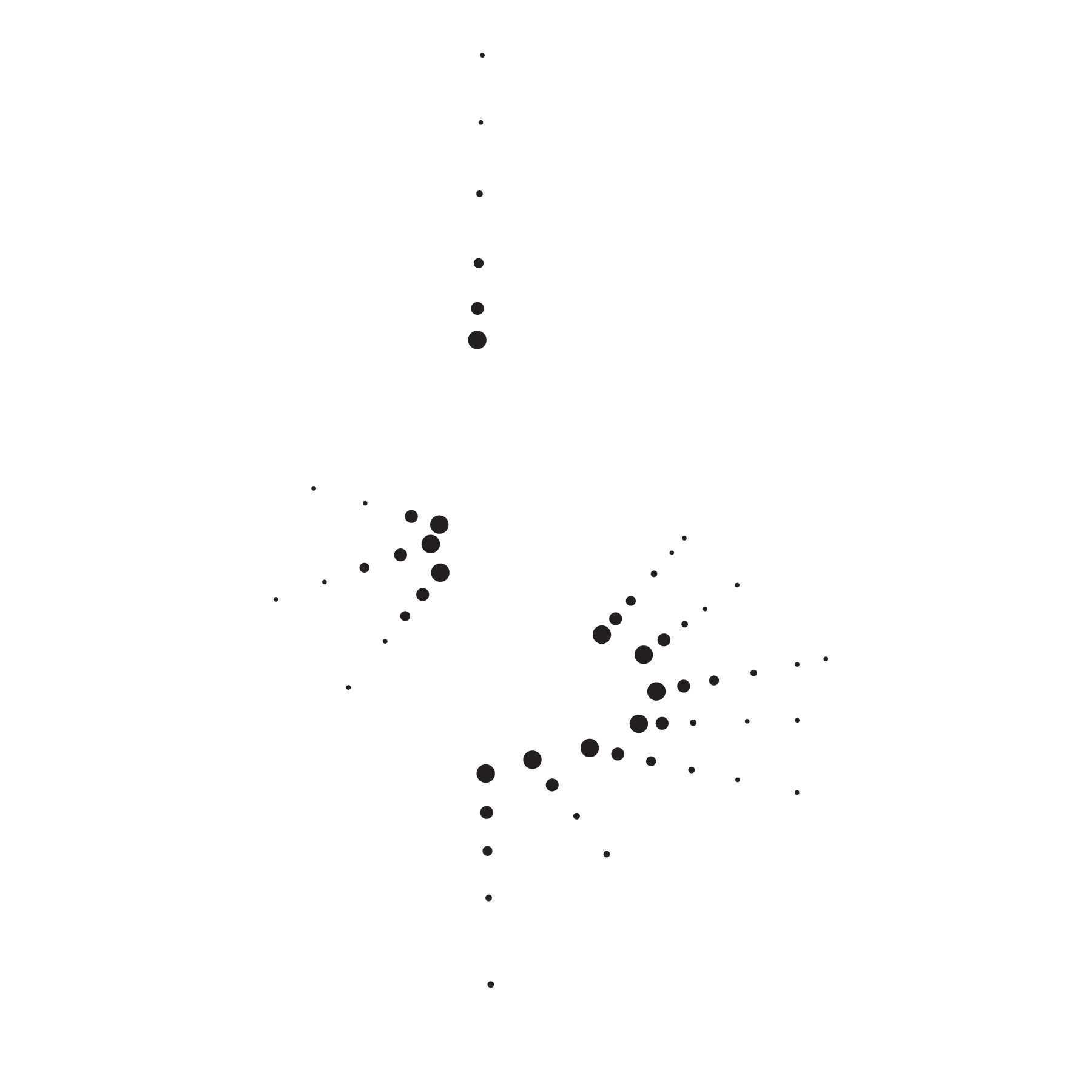
Expressive points: Point clusters and scale shifts create an energetic, abstract read that implies structure through pattern and density.
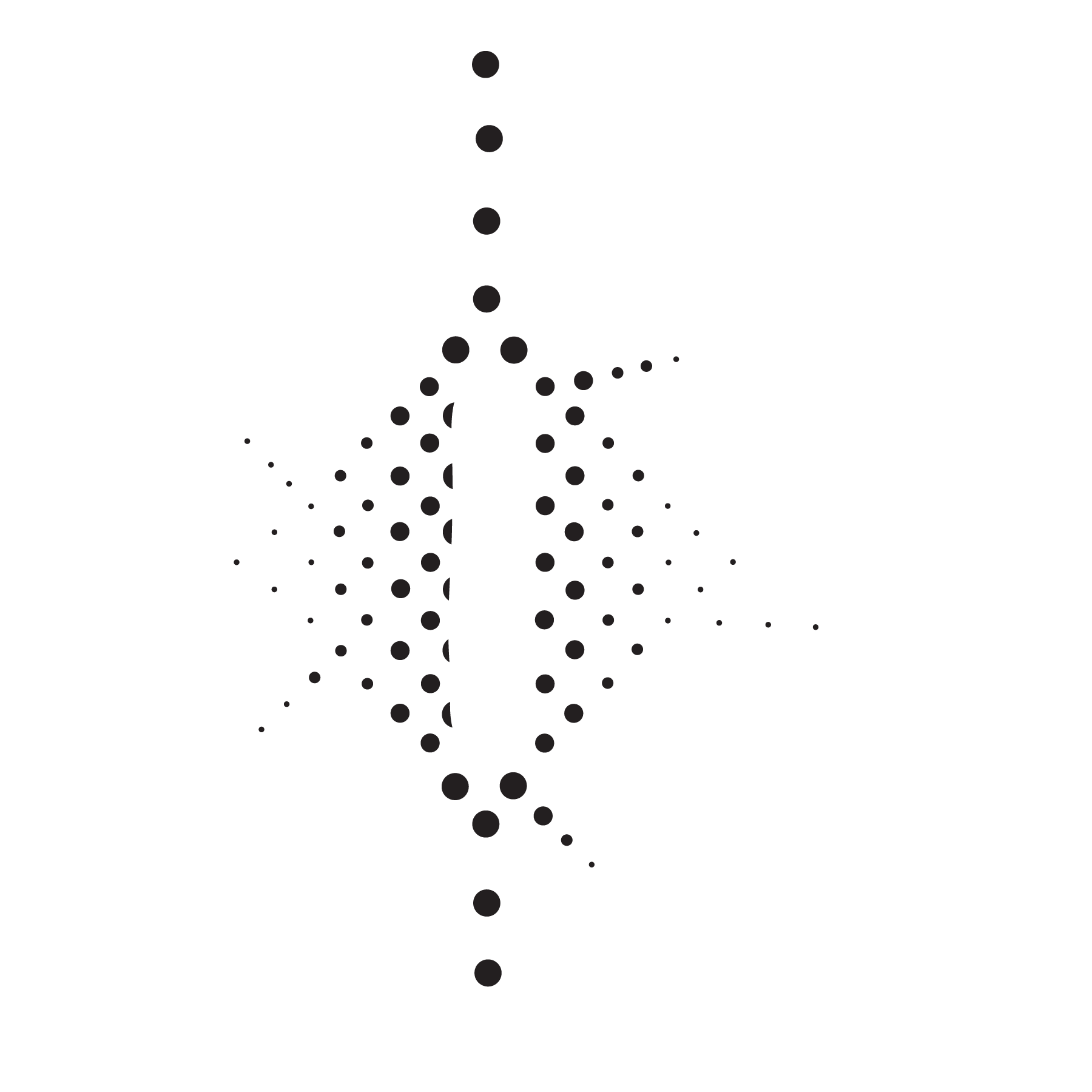
Expressive points (expanded): Point clusters increase in density and scale variation to create stronger rhythm and directional movement while still implying the object’s structure.
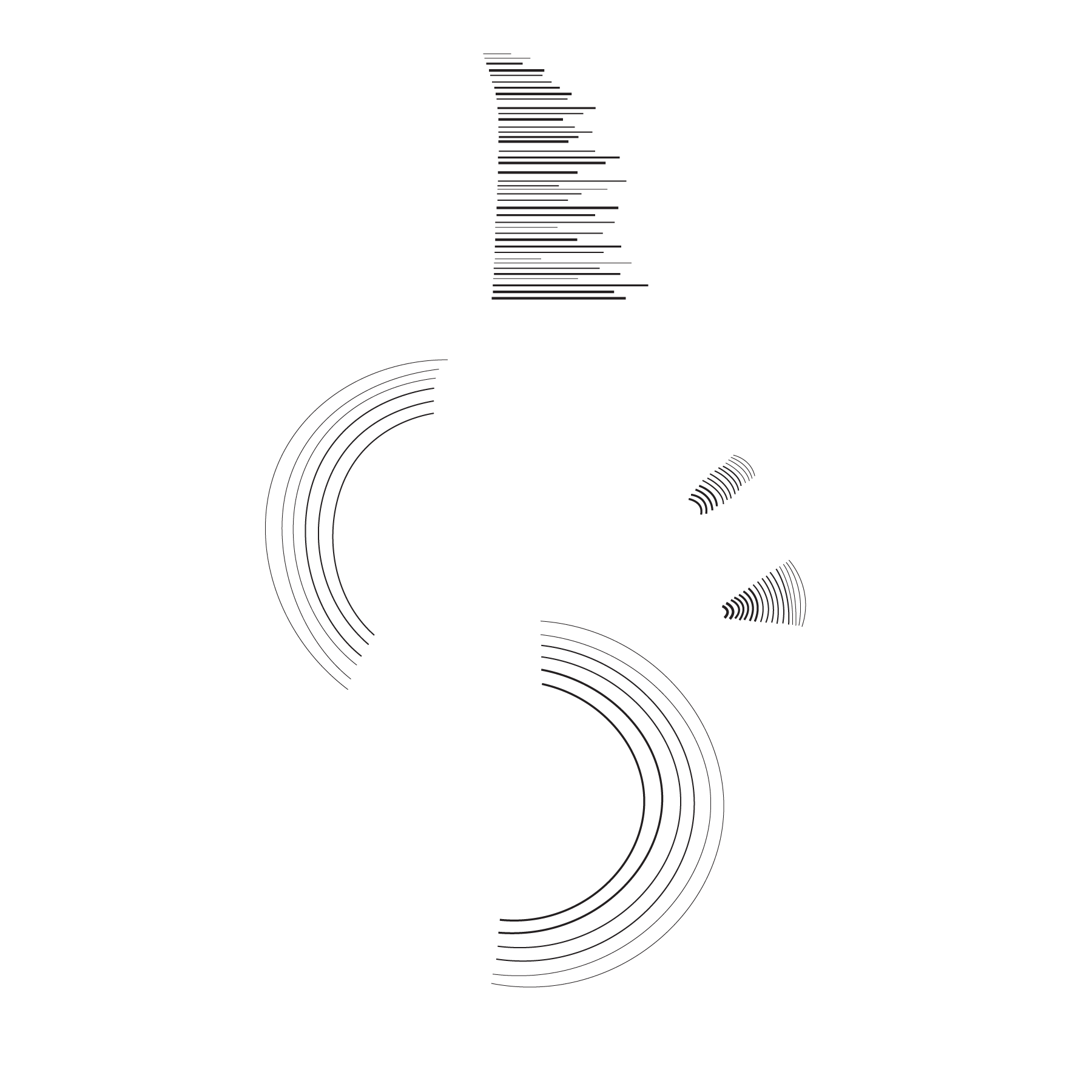
Expressive lines (geometric): Repeated line sets and arcs build visual cadence and suggest form through curvature, spacing, and controlled stroke weight.
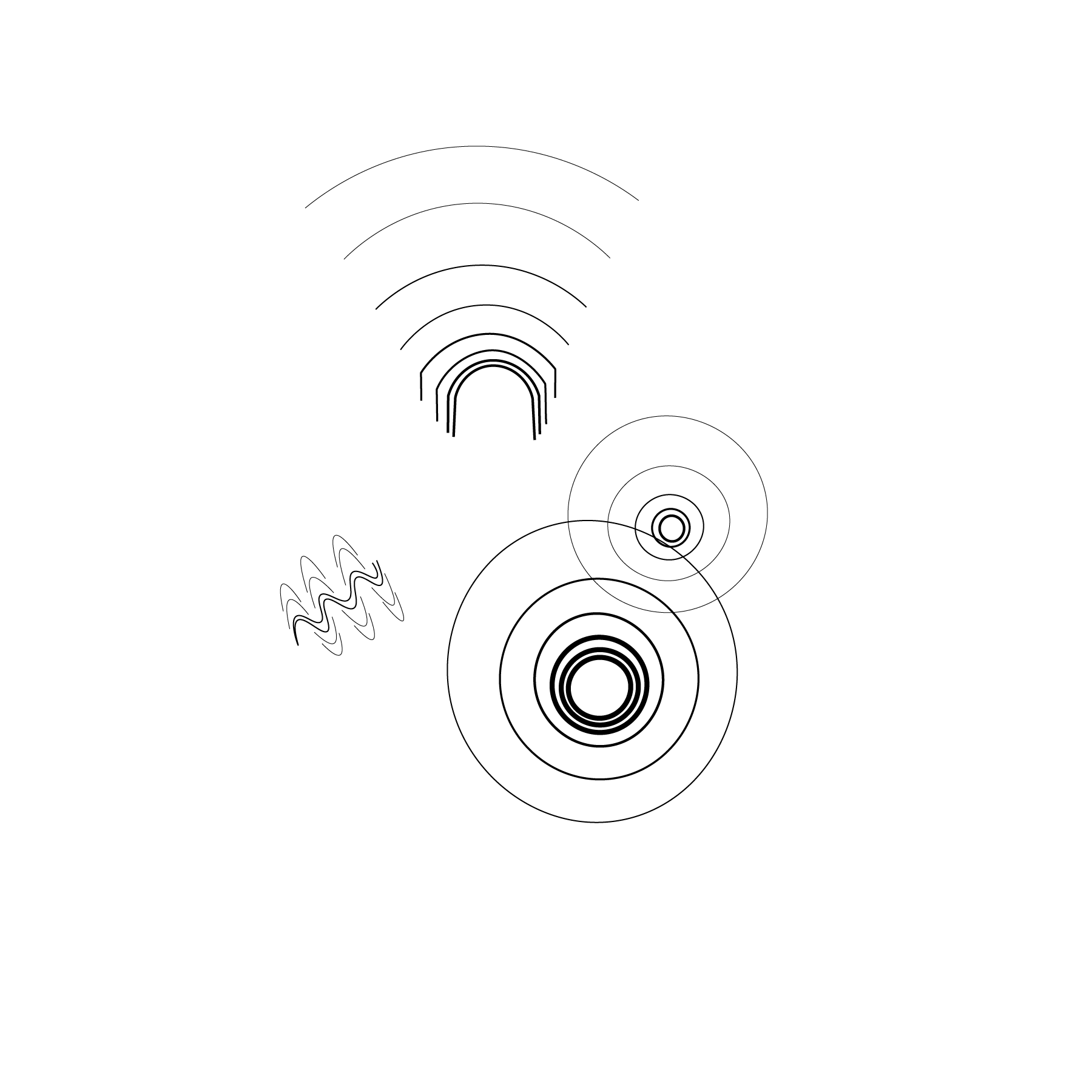
Expressive lines (composed): Layered linear motifs establish a more unified composition, using repetition and overlap to create depth and emphasis.
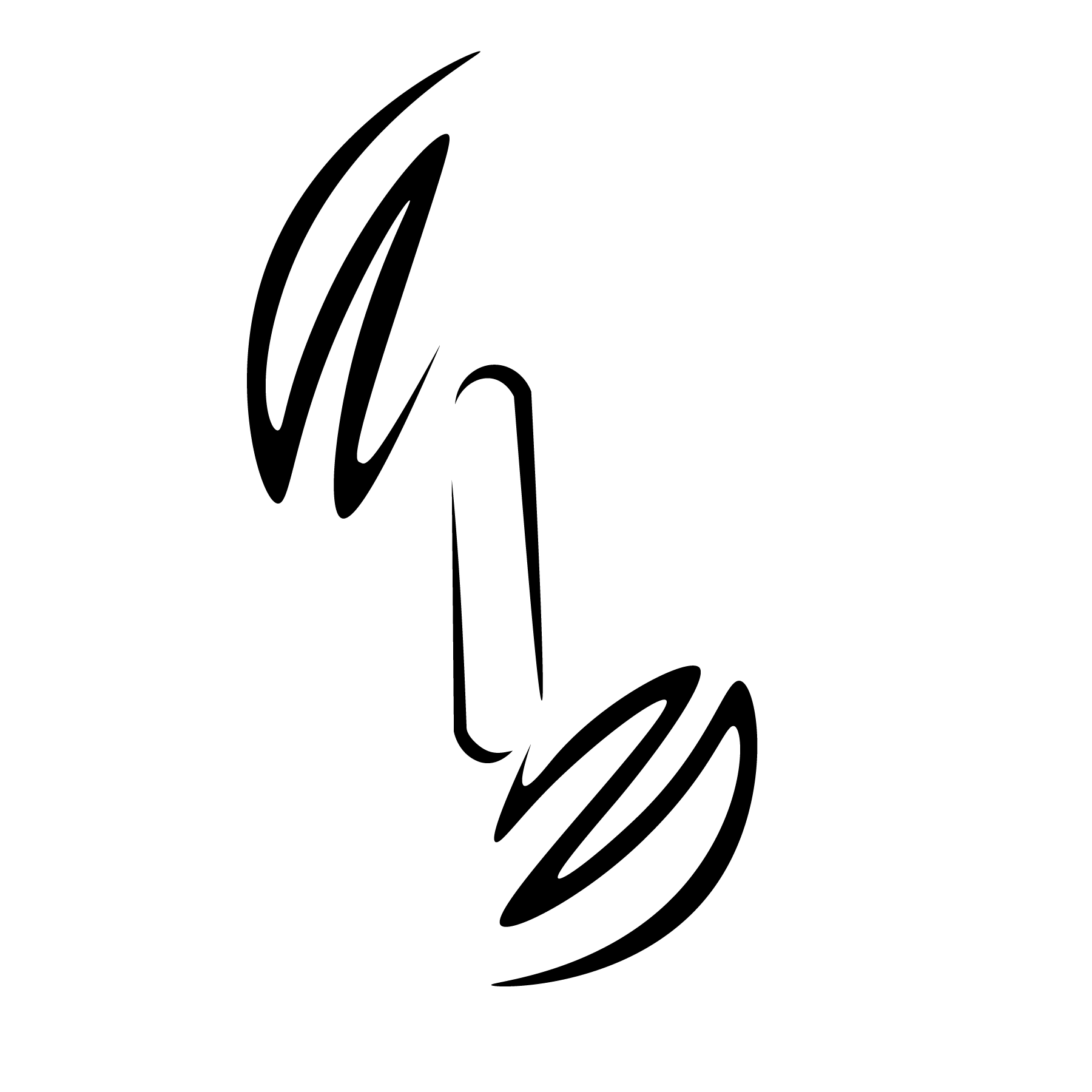
Expressive planes (gestural): Large, high-contrast shapes push abstraction further, prioritizing dynamic balance and bold figure/ground relationships.
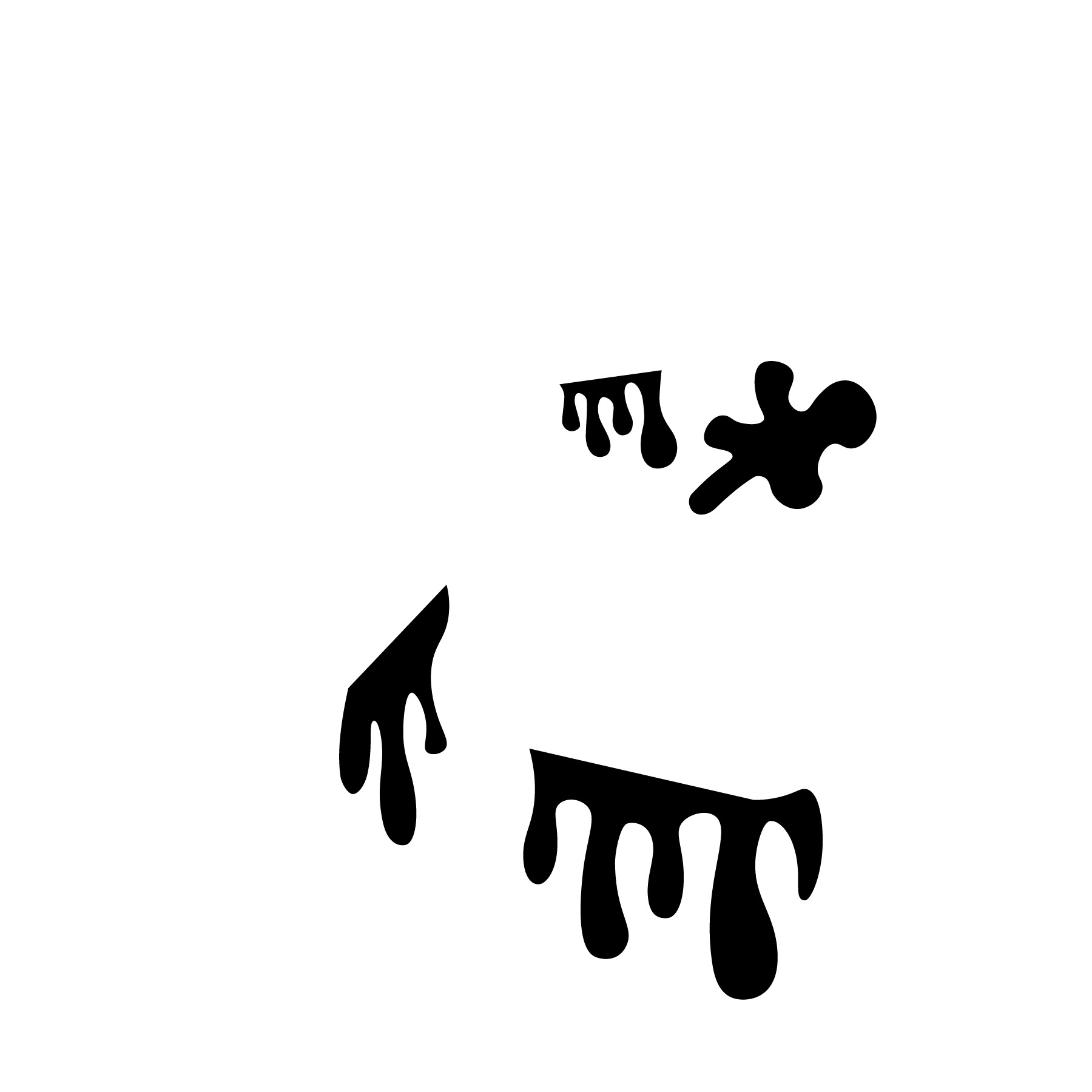
Expressive planes (organic): Fluid, brush-like planes explore expressive silhouette and visual weight, emphasizing gesture over literal detail.
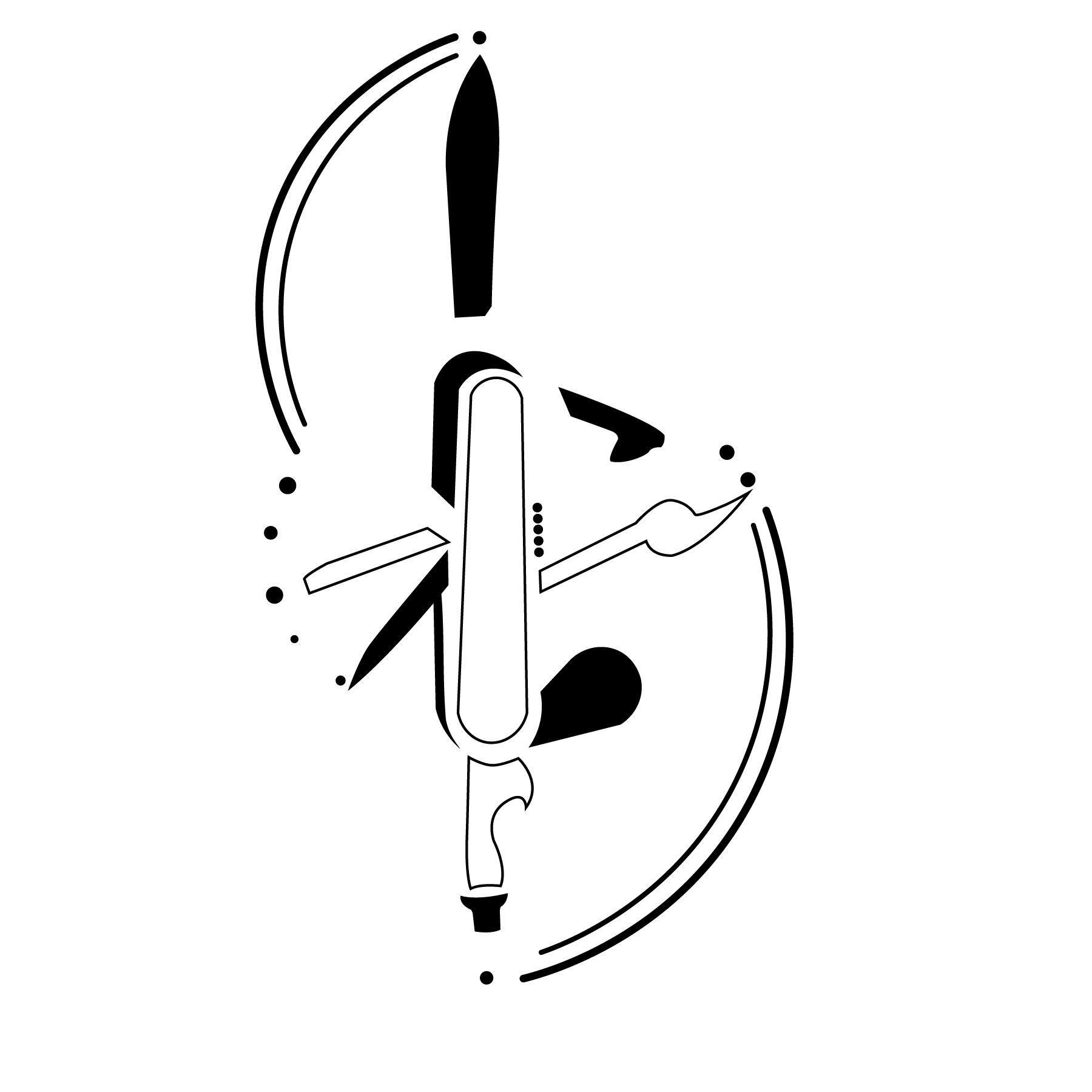
Combination study (integrated system): Points, lines, and planes are combined into a cohesive composition, balancing texture and mass to reinforce hierarchy and focal emphasis.
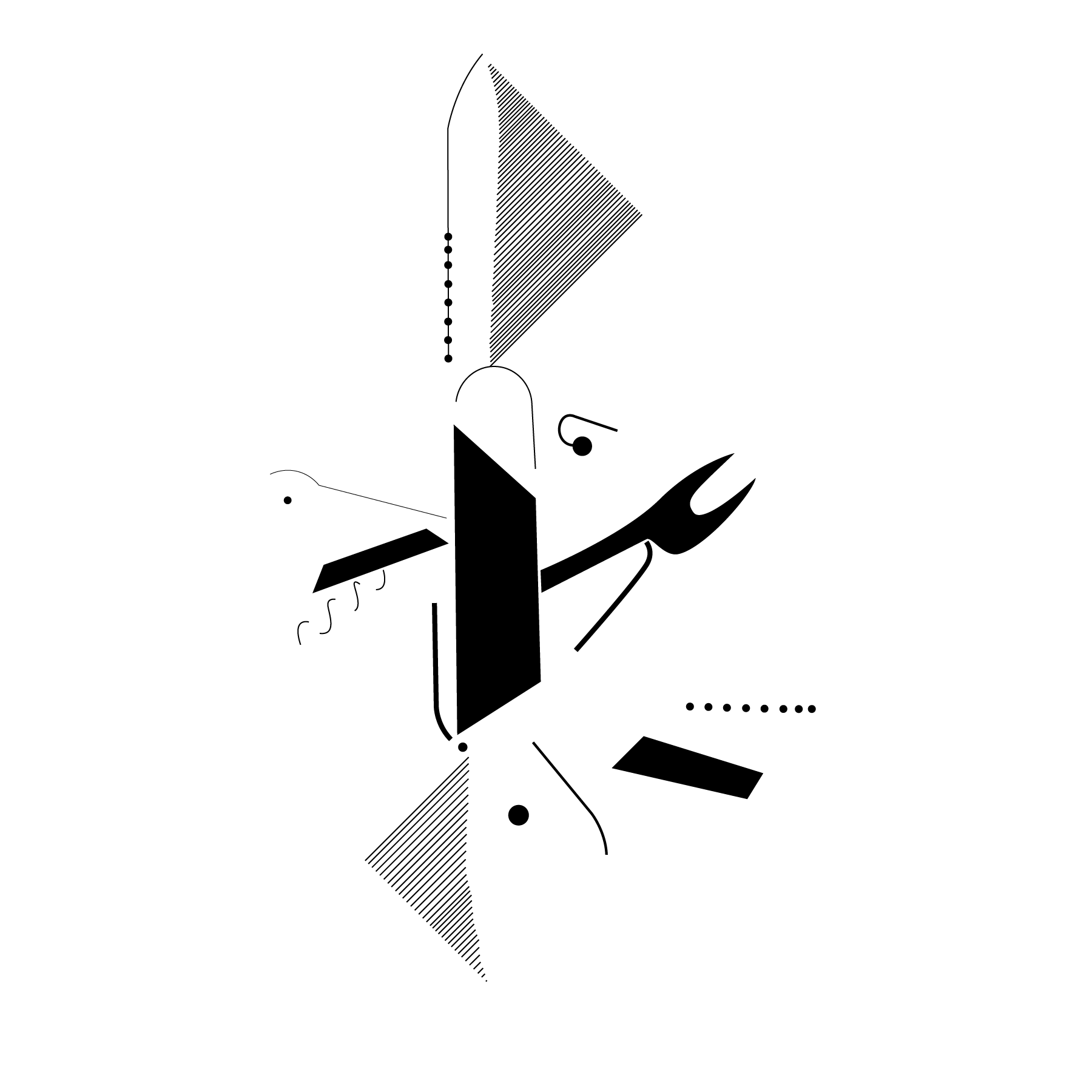
Combination study (pattern + form): Plane-based forms are supported by patterned elements and secondary marks, creating layered texture and a clearer sense of structure.
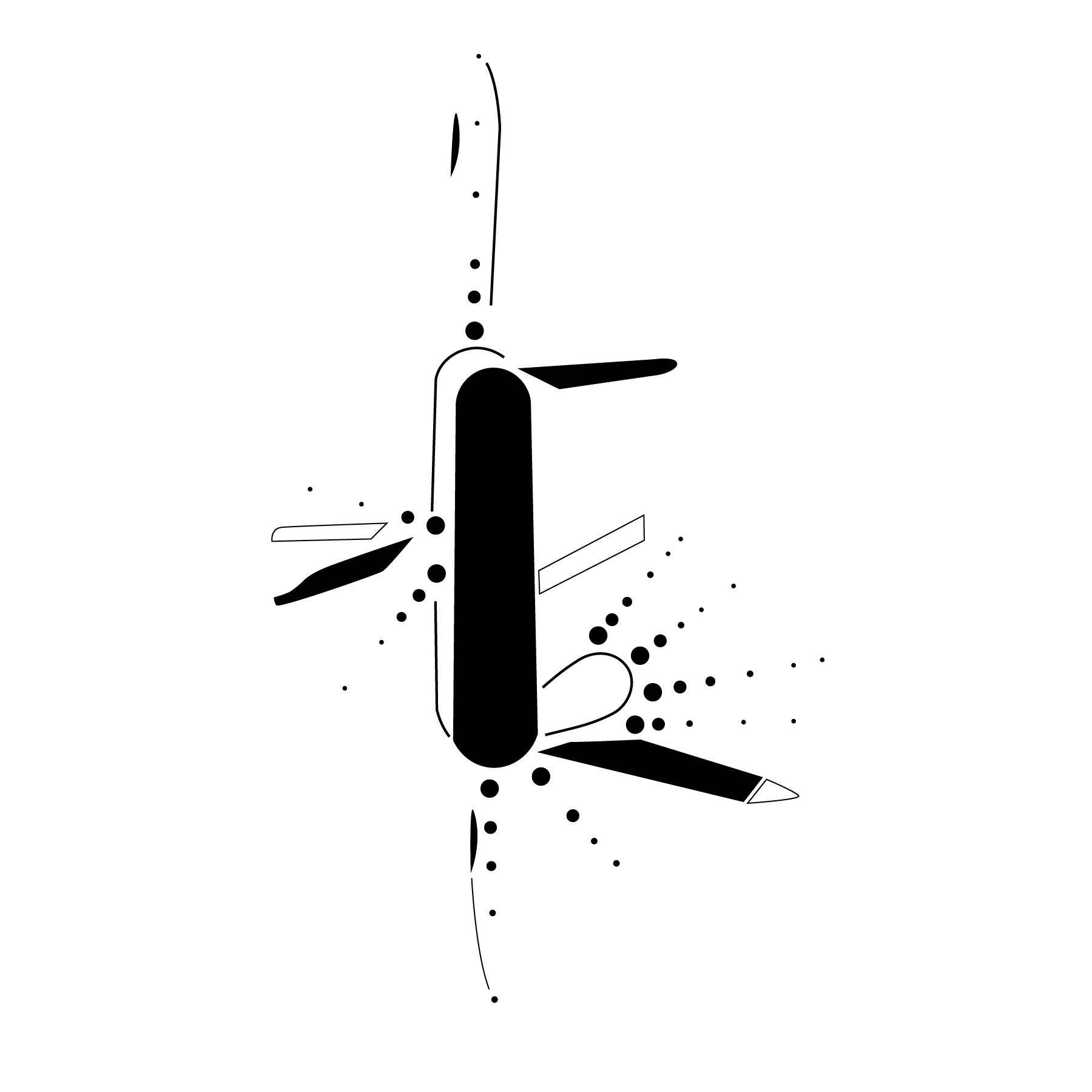
Combination study (refined final): Final integrated abstraction unifies point rhythm, line direction, and plane hierarchy into a balanced, high-contrast composition.