The University of Akron • Introduction to Design I
Image Abstraction: Point, Line, and Plane
PROJECT OVERVIEW
This assignment introduced foundational design principles through the exploration of point, line, and plane as essential two-dimensional elements. Students abstracted a self-photographed natural environment (interior or exterior) by reducing observed forms into simplified visual structures.
This assignment introduced foundational design principles through the exploration of point, line, and plane as essential two-dimensional elements. Students abstracted a self-photographed natural environment (interior or exterior) by reducing observed forms into simplified visual structures.
METHOD / PROCESS
Students began by photographing a natural space, then analyzed the image to identify dominant shapes, edges, textures, and value relationships. Through iterative studies, the scene was deconstructed into points, lines, planes—or combinations of these—emphasizing figure/ground, rhythm, balance, and visual hierarchy. Refinement focused on using reduction and composition to communicate space with clarity and intent.
Students began by photographing a natural space, then analyzed the image to identify dominant shapes, edges, textures, and value relationships. Through iterative studies, the scene was deconstructed into points, lines, planes—or combinations of these—emphasizing figure/ground, rhythm, balance, and visual hierarchy. Refinement focused on using reduction and composition to communicate space with clarity and intent.
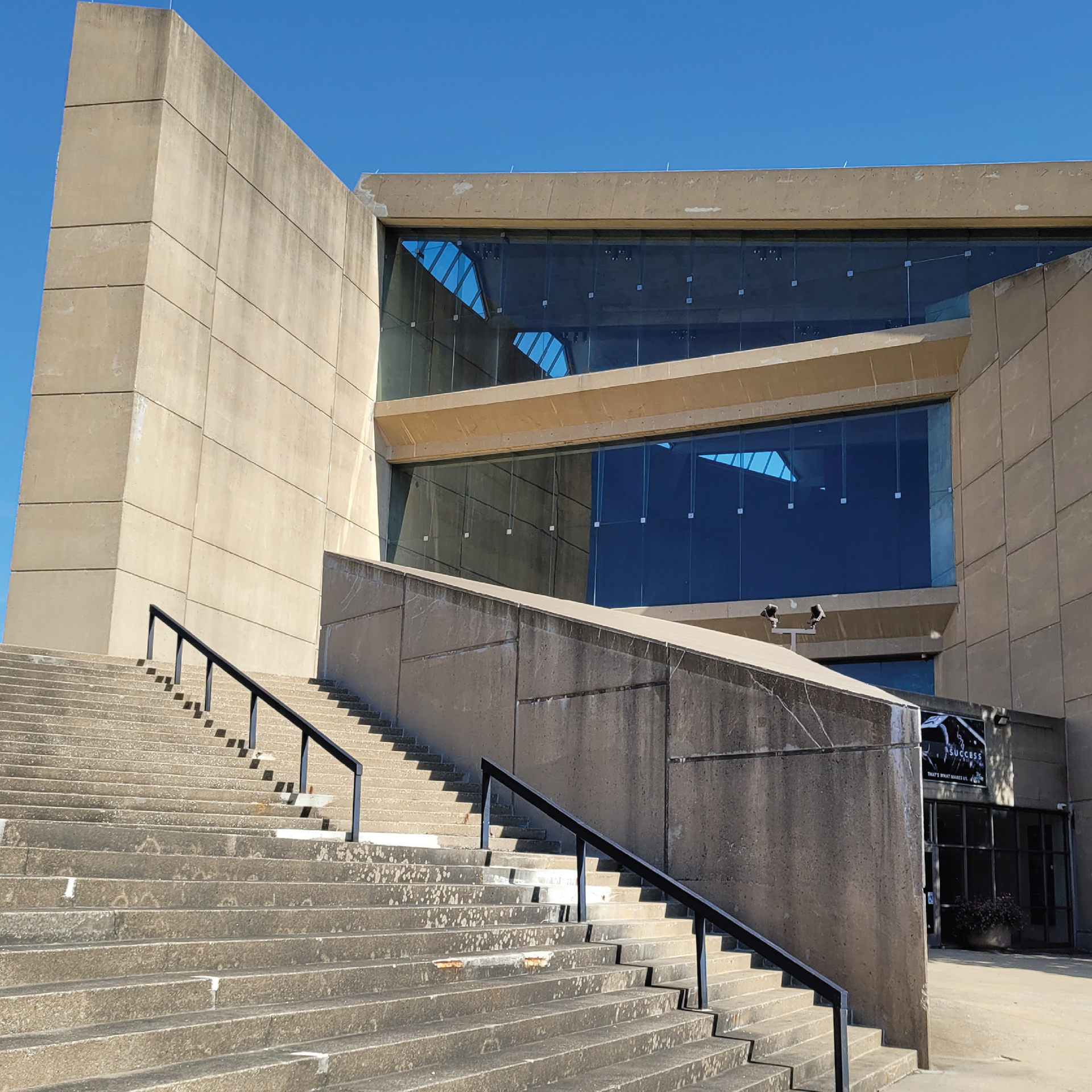
Source image: Original photograph used as the reference for abstraction—identifying dominant architectural volumes, diagonals, and perspective.
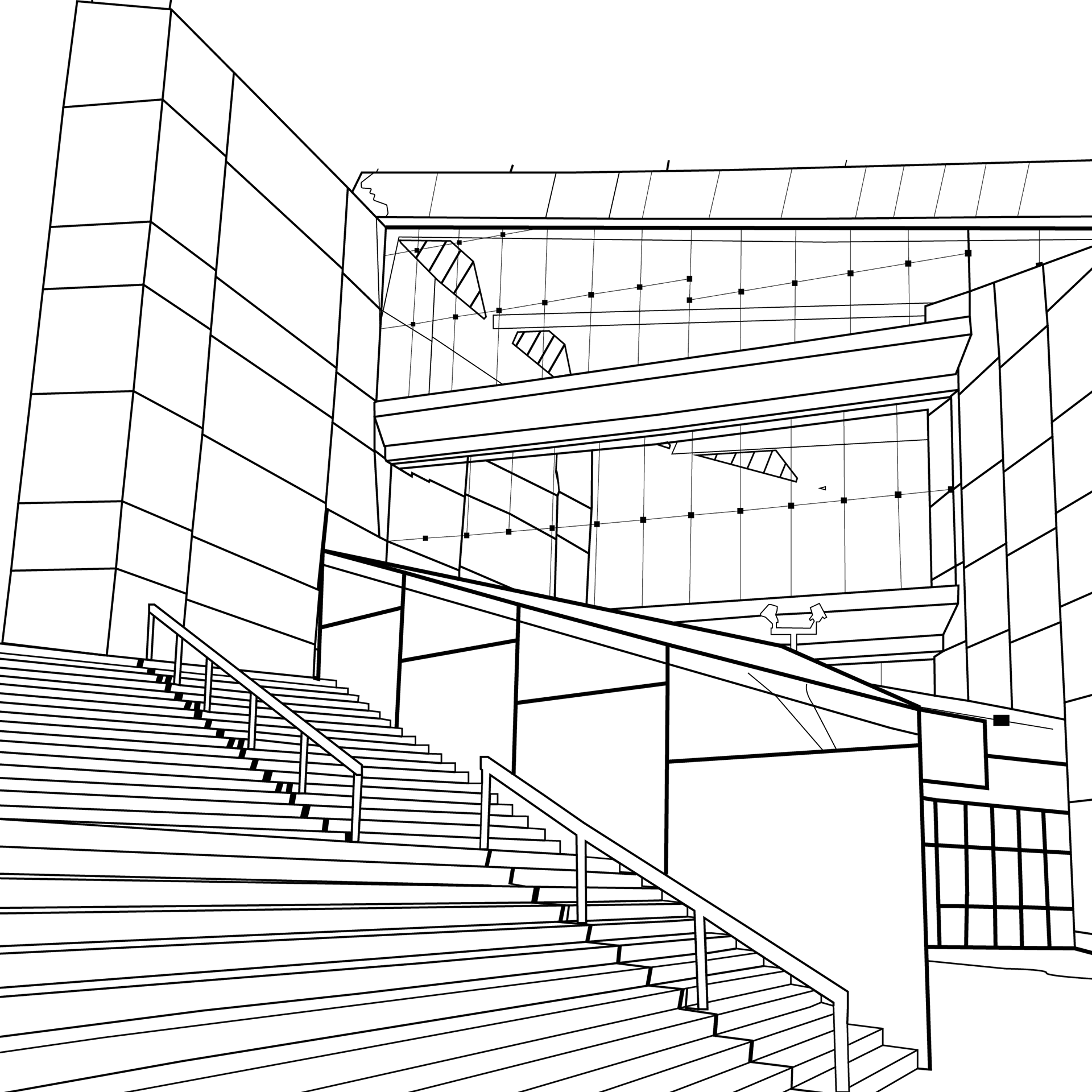
Outline study: Line-only tracing to isolate primary edges and establish the scene’s structural silhouette and perspective framework.
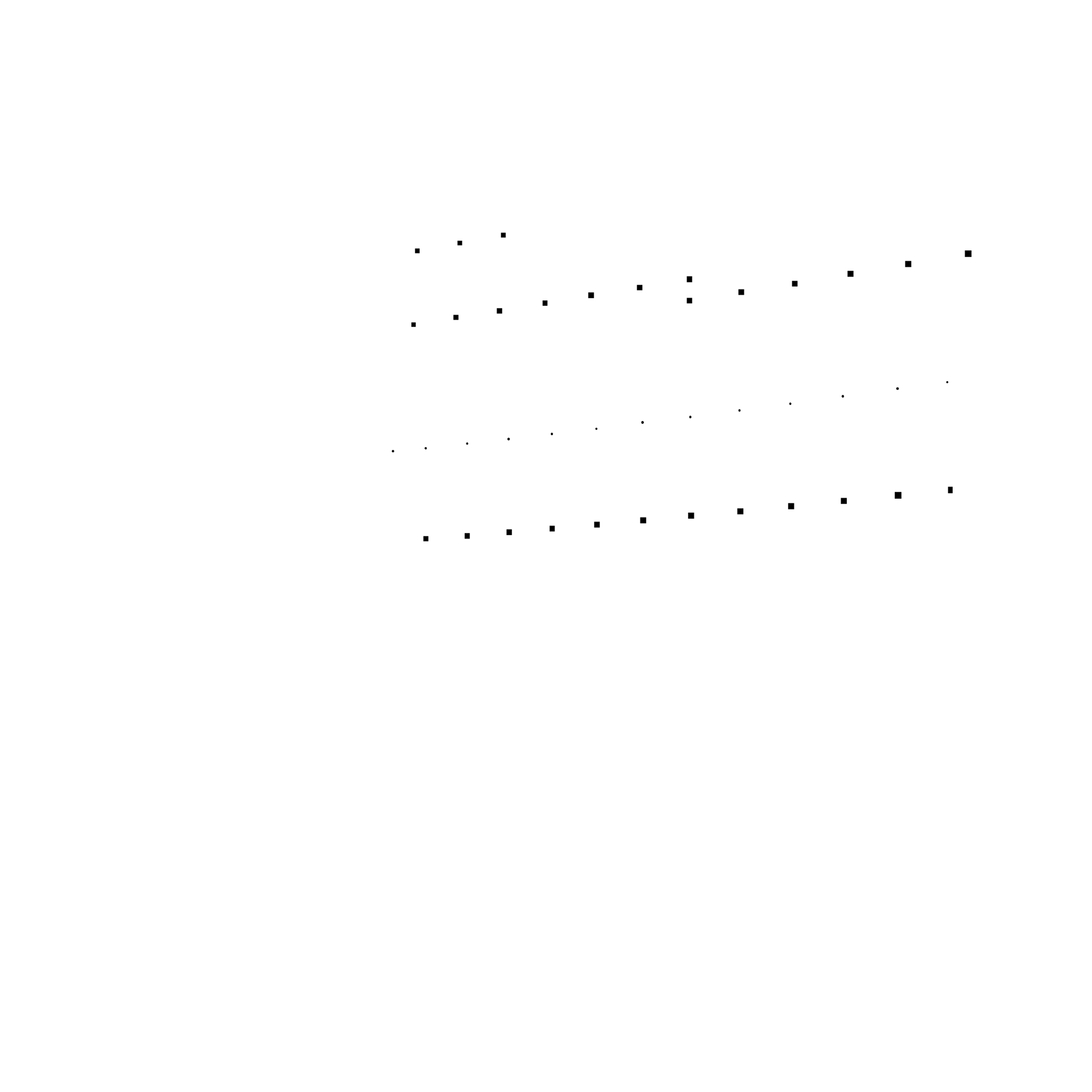
Point study: Key features mapped as points to explore spacing, alignment, and depth through scale variation.
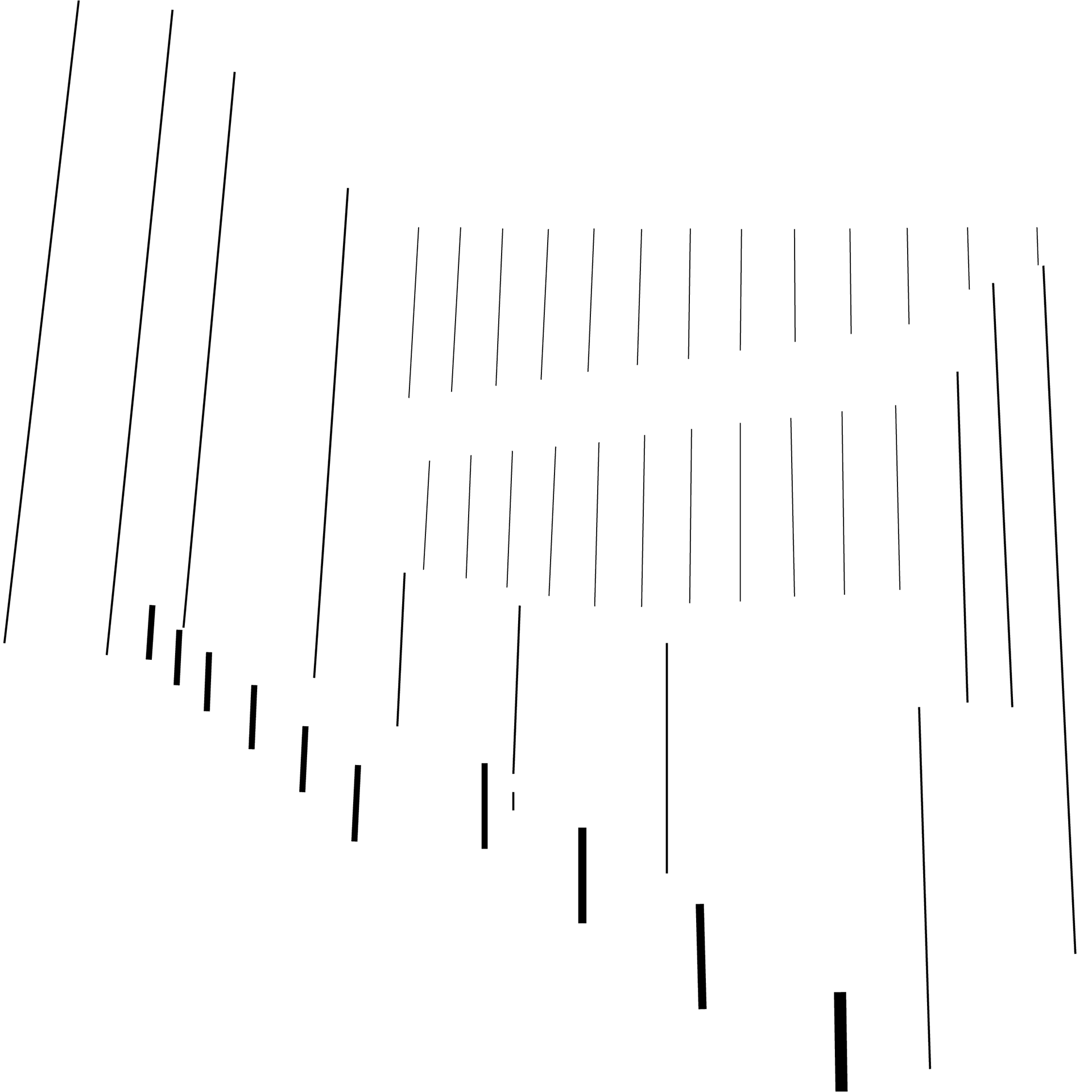
Line study: Linear sets emphasize direction, repetition, and rhythm—translating railings, columns, and facade cadence into structural movement.
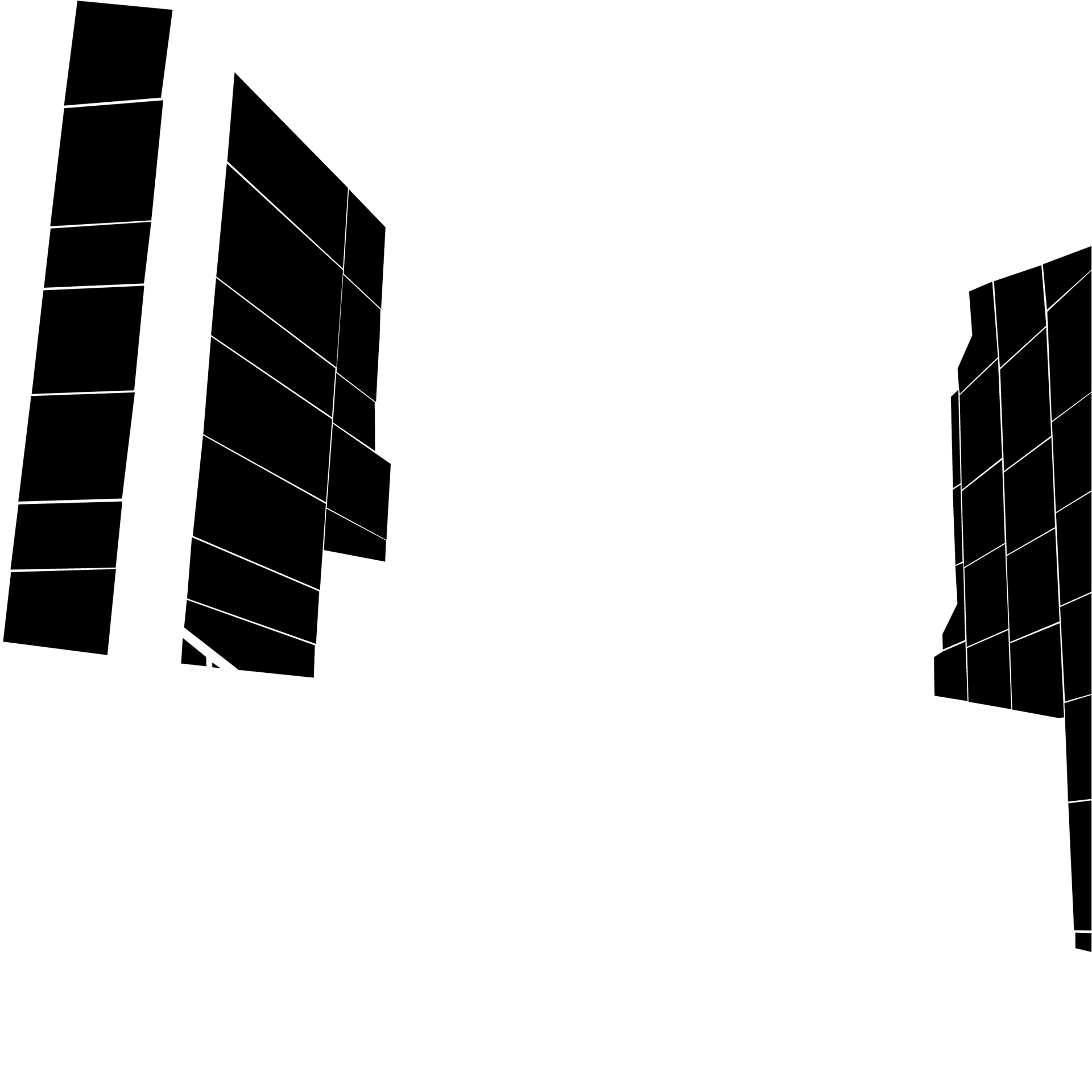
Plane study: Major architectural masses simplified into bold black planes to test figure/ground, negative space, and overall visual weight.
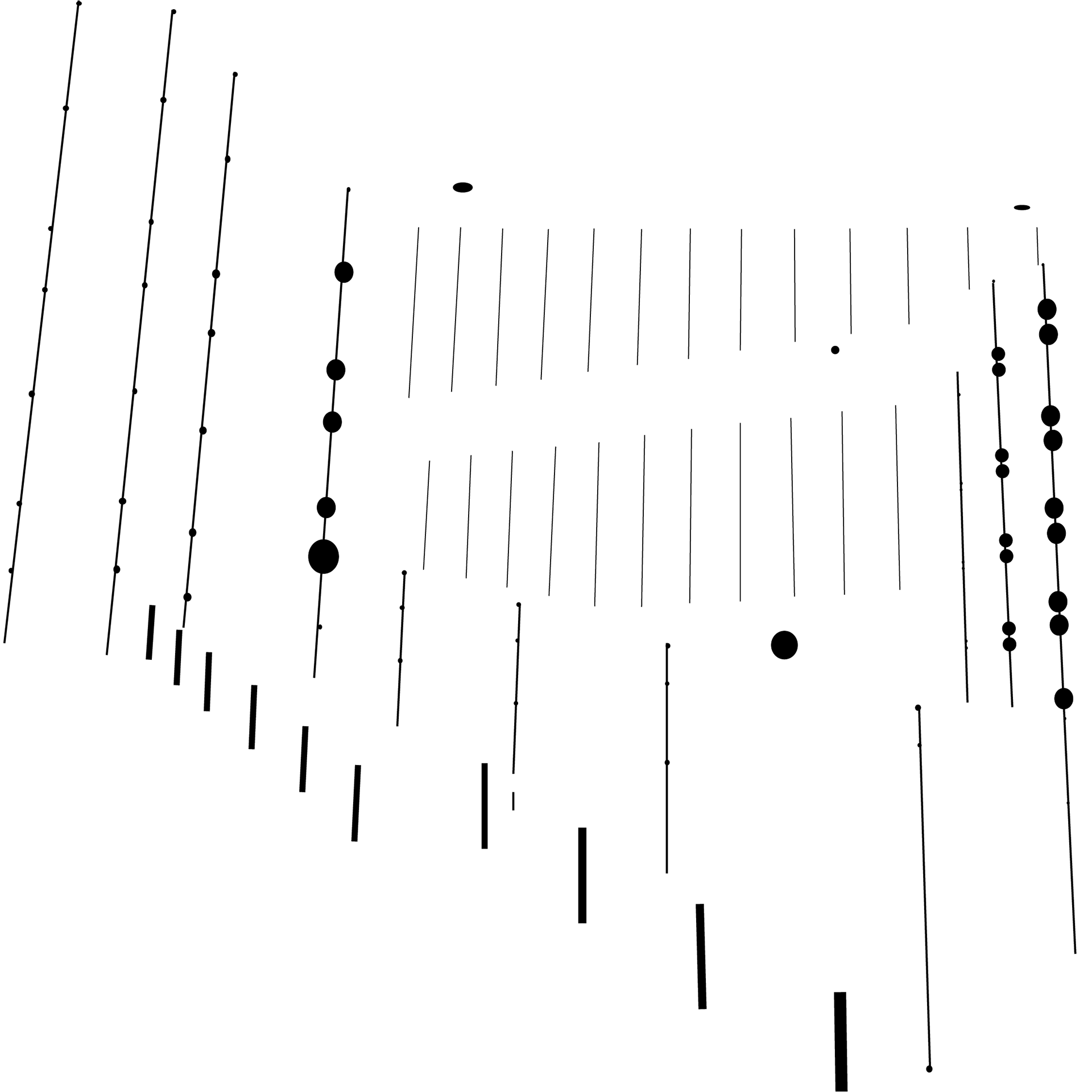
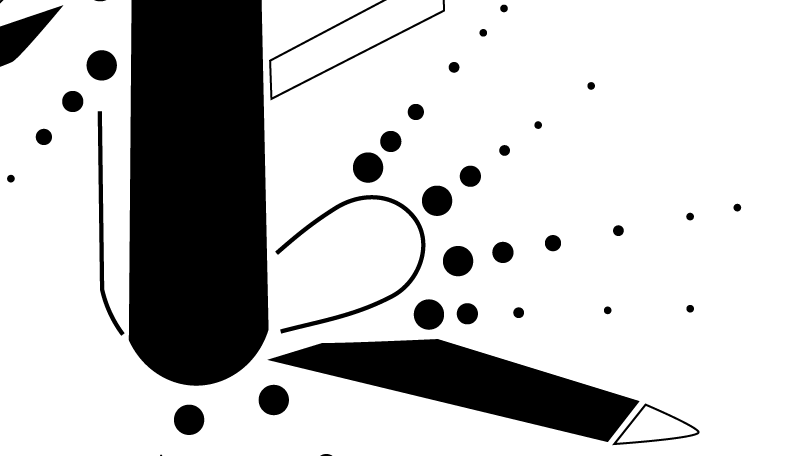
Combination study (line + point): Points and lines are layered to reintroduce depth cues using density and stroke hierarchy.
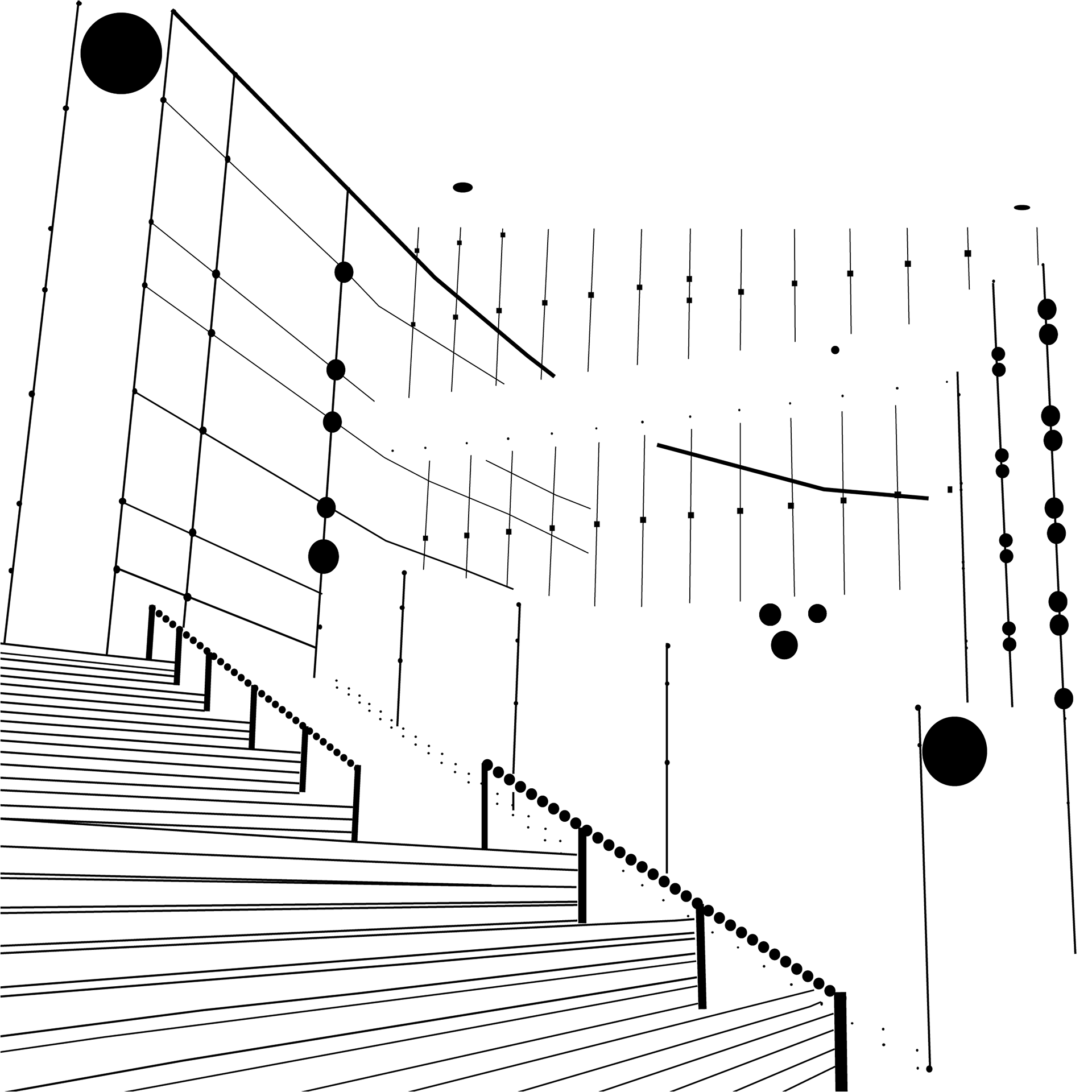
Combination study (outline + accents): Outline structure is supported with selective point/line emphasis to balance scaffolding and detail.
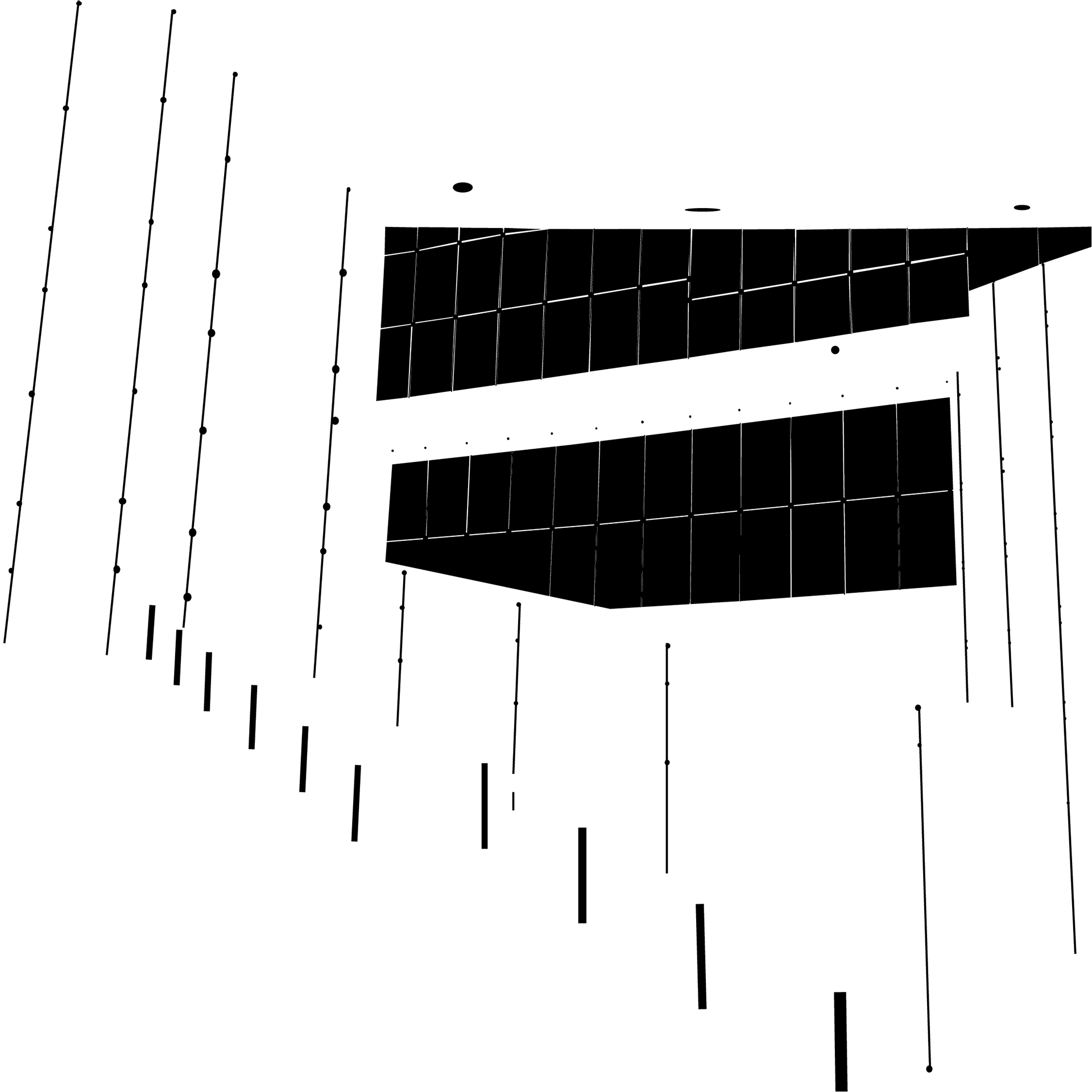
Combination study (planes reintroduced): Planes act as focal anchors, clarifying spatial hierarchy through strong positive/negative shapes.
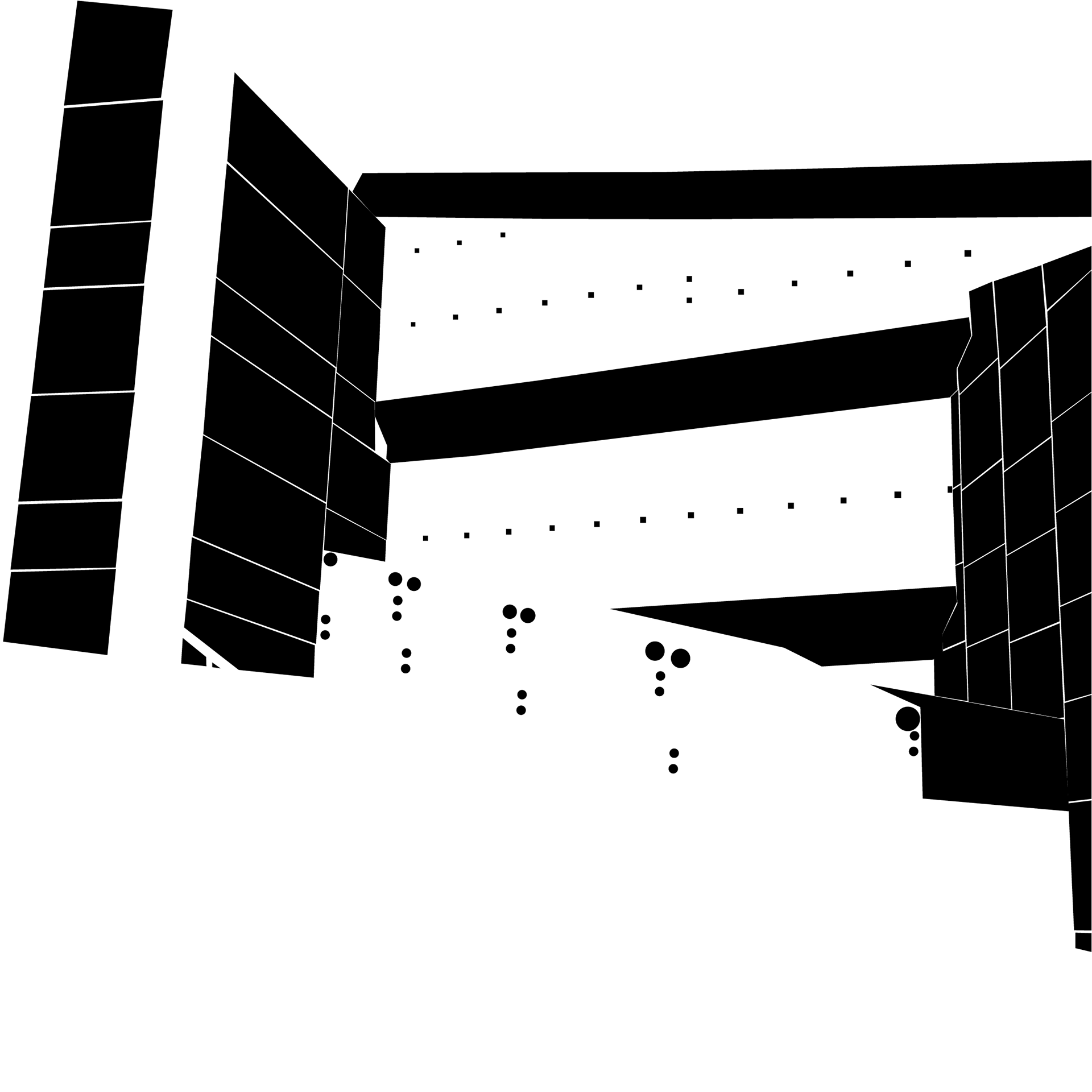
Combination study (expanded planes): A broader plane system strengthens depth and balance, using large shapes to define foreground/background relationships.
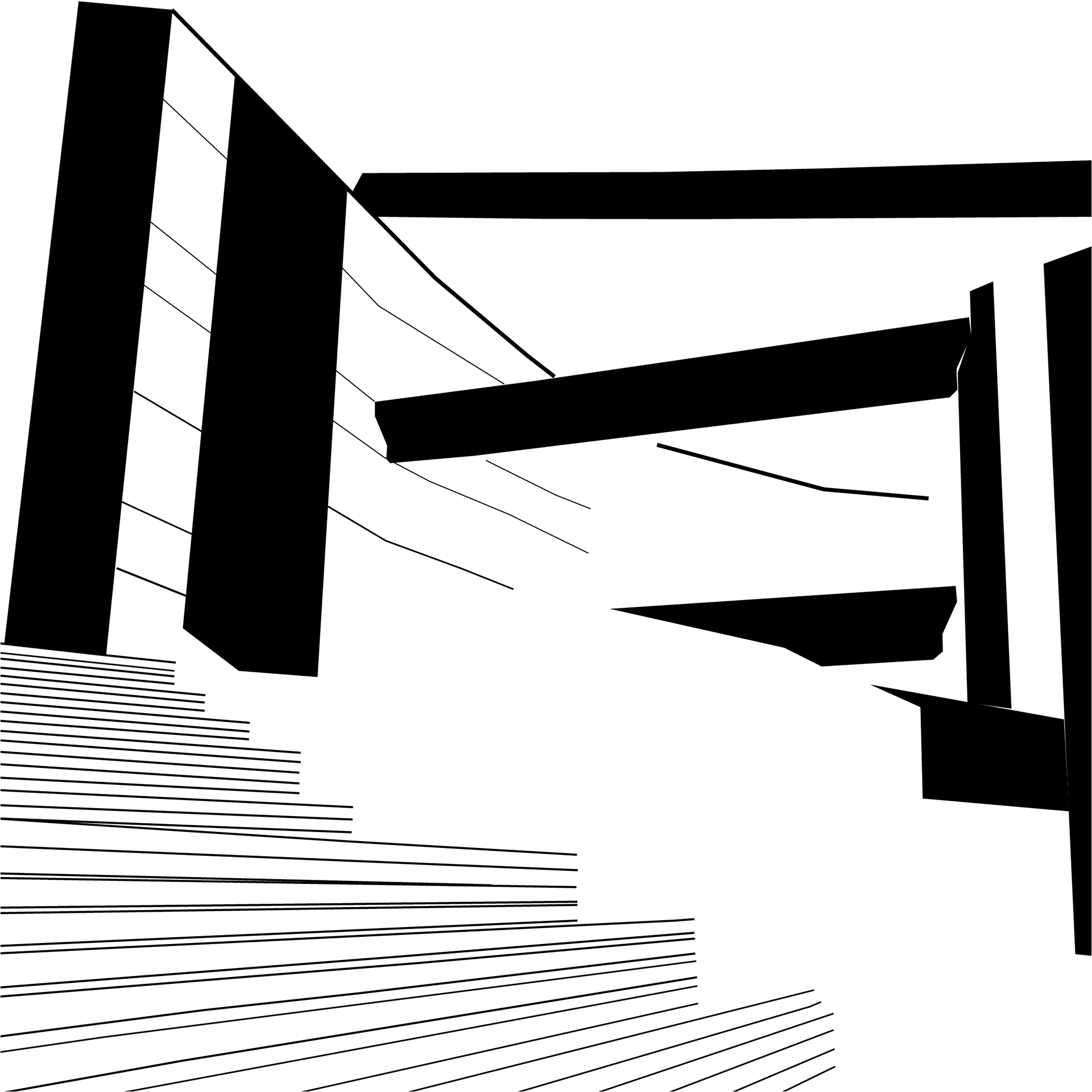
Combination study (consolidated): Planes and lines are reduced to the most communicative marks, sharpening the read of stairs, beams, and voids.
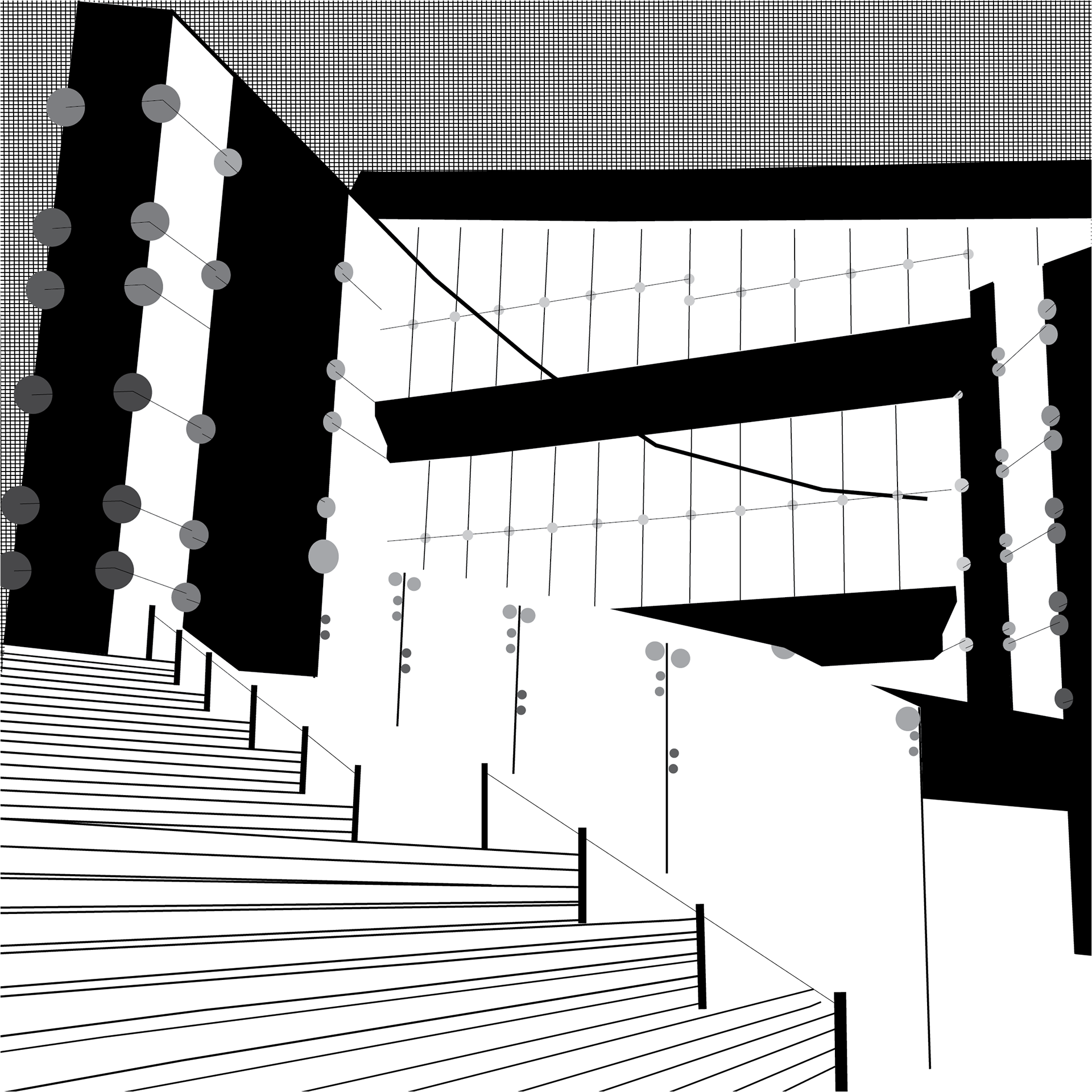
Final composition: Integrated point/line/plane abstraction resolves into a cohesive system, balancing texture, mass, and negative space for a clear architectural read.